
1. Enterprise Authority & Manufacturing Excellence: The Italian Footprint
When global beauty brands search for reliable contract manufacturing partners, the decision matrix hinges on verified operational scale, regulatory compliance, and proven quality systems. At Ancorotti Cosmetics, our foundation is built on deep industry expertise, continuous research and development, and an unyielding commitment to Made-in-Italy craftsmanship.
Founded by industry pioneers Enrica and Renato Ancorotti, our company operates from Crema, Italy—the world-renowned epicenter of color cosmetics manufacturing. Today, our 500+ passionate employees collaborate with more than 400 cosmetic brands across 50 countries, producing cutting-edge formulas and integrated turnkey packaging solutions that meet the highest global standards.

Pioneering Beauty Leadership
Guided by Enrica & Renato Ancorotti, blending Italian artisanal heritage with high-tech automated manufacturing capabilities.
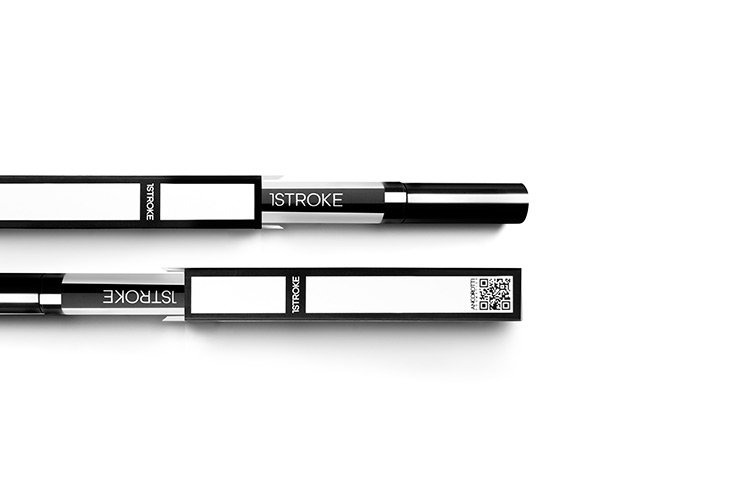
Turnkey Packaging Lines
End-to-end integration of bulk formulation, precision primary filling, and automated secondary folding box assembly.
Our headquarters—historically known as "La Fabbrica per l'Uomo"—repurposes the iconic Olivetti typewriter facility designed by renowned architects Marco Zanuso and Renzo Piano. This architectural masterpiece reflects our zero-land-consumption philosophy. By converting an industrial icon into a state-of-the-art cosmetic manufacturing hub, we embody sustainable industrial renewal. Operating with 100% electricity from renewable energy sources since 2020 and maintaining climate-neutral logistics through DHL GoGreen Plus, Ancorotti Cosmetics guarantees that your secondary packaging lifecycle aligns perfectly with corporate ESG (Environmental, Social, and Governance) expectations.
Information Gain: Why Integrated Secondary Packaging Outperforms Fragmented Supply Chains
Procuring secondary packaging from external third-party converting facilities frequently introduces severe operational friction: dimension mismatch, color batch variation under retail lighting, transit abrasion, extended lead times, and split regulatory accountability under EU MoCRA / FDA guidelines. By unifying primary contract manufacturing with automated secondary packaging assembly under Ancorotti’s certified ISO 22716 / ISO 9001 quality umbrella, brands eliminate up to 35% of logistics lag while securing 100% traceability across all unit boxes, master cartons, and display shippers.
Certified Quality & Compliance Standards
Our commitment to product safety, operational transparency, and ethical compliance is verified through comprehensive international accreditations:
- ISO 22716 (GMP): Rigorous Good Manufacturing Practices governing every stage of primary filling and secondary outer carton assembly.
- ISO 9001: Quality Management Systems ensuring zero-defect batch consistency across high-volume production runs.
- ISO 14001 & ISO 45001: Certified environmental management and occupational safety standards protecting our workforce and local ecosystem.
- IFS HPC & AEO Certification: Household and Personal Care safety certification alongside Authorized Economic Operator status for seamless international customs clearance.
- Halal Product Certification: Fully audited production lines compliant with global Islamic market requirements.
2. Strategic Product Recommendations: High-Performance Secondary Packaging Architectures
Secondary cosmetic packaging is far more than outer cardstock—it is the physical representation of your brand's market positioning. Based on real-time search intent mining from procurement managers across Europe, North America, and the Middle East, we offer specialized secondary packaging structural categories engineered for distinct product lines:
1. Luxury Folding Cartons & Rigid Boxes for Color Cosmetics
Designed for mascaras, lipsticks, liquid foundations, and eyeshadow palettes. Features ultra-precise die-cut tolerances, high-GSM virgin or recycled FSC paperboard, hot foil stamping, soft-touch matte lamination, and embossed tactile branding.
Send an Inquiry
2. Eco-Friendly Outer Sleeves for Cosmeceuticals
Engineered for high-active skincare, serum bottles, and treatment creams. Utilizes 100% post-consumer recycled (PCR) paperboards, water-based biodegradable varnishes, and soy-ink printing to eliminate plastic shrink-wrap while protecting light-sensitive formulations.
Send an Inquiry
3. Turnkey Promotional Sets, Coffrets & Multi-SKU Boxes
Custom-built gift boxes and multi-product routine vaults. Features engineered paper inserts, magnetic closure structures, and custom-molded pulp trays designed to lock complex primary containers securely into place during cross-border shipping.
Send an Inquiry
4. Tamper-Evident & Smart QR-Enabled Secondary Packaging
Incorporates tamper-evident tear seals, custom serialized 2D DataMatrix barcodes, anti-counterfeit micro-printing, and smart QR code integration for instant consumer authentication and digital regulatory compliance (EU MoCRA / FDA).
Send an Inquiry3. Future Procurement Trends in Secondary Cosmetic Packaging (2025–2030)
The global beauty landscape is undergoing a structural shift driven by legislative mandates, consumer environmental awareness, and supply chain digitalization. B2B beauty procurement officers must anticipate these four macro trends when structuring their secondary packaging strategies:
Trend 1: Accelerated De-plasticization & Closed-Loop Monomaterial Systems
With the European Union’s Packaging and Packaging Waste Regulation (PPWR) setting aggressive targets for plastic waste reduction, legacy thermoformed plastic vacuum inserts (vac-trays) inside secondary unit boxes are rapidly being phased out. The industry standard is shifting toward 100% paper-based structural engineering. Modern secondary packaging utilizes precision-folded paperboard inserts and biodegradable molded sugarcane bagasse trays that provide equal impact protection while offering 100% curb-side recyclability.
Trend 2: Supply Chain Carbon Insetting & Scope 3 Footprint Auditing
Procurement teams are no longer evaluating suppliers solely on piece-price calculations; Scope 3 carbon emissions generated during transport and packaging converting are now decisive factors. Ancorotti Cosmetics leads this shift through carbon insetting strategies. By partnering with DHL GoGreen Plus and utilizing Sustainable Aviation Fuel (SAF), we assist beauty brands in directly neutralizing logistics emissions—erasing thousands of metric tons of CO₂ equivalent across international distribution networks.
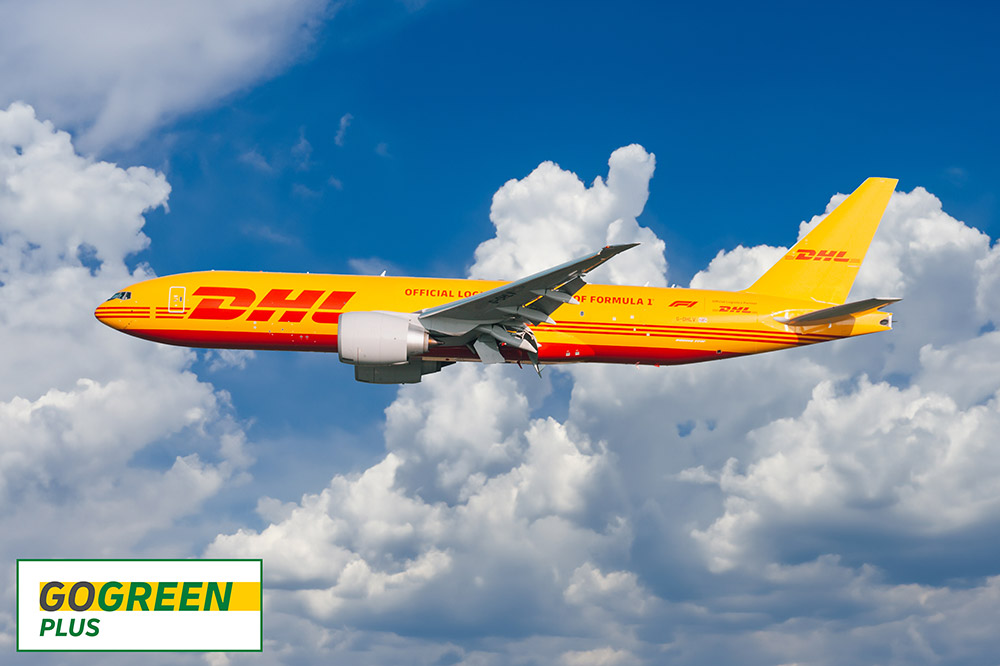
Ancorotti Cosmetics carbon-neutral logistics infrastructure powered by DHL GoGreen Plus.
Trend 3: Smart Serialization & Direct-to-Consumer Digital Interaction
Secondary packaging has become the digital bridge between physical beauty products and cloud-based consumer engagement platforms. Advanced secondary packaging services now integrate unique serialized 2D barcodes on outer folding cartons. This enables track-and-trace capabilities throughout wholesale supply chains while allowing consumers to scan packaging for instant ingredient transparency, shade-matching tutorials, and loyalty rewards verification.
Trend 4: Minimalism Meets High-Tactile Luxury
Over-packaged cosmetic boxes are being replaced by lightweight structural designs elevated by tactile embellishments. Brands are favoring unbleached kraft stocks, textured linen papers, blind embossing, micro-debossing, and soft-touch water-based coatings. This minimalist approach reduces overall material mass while creating a premium, tactile unboxing experience that drives viral social media engagement.
4. Industry Development Trends: From Protective Containment to Brand Storyteller
Historically, secondary cosmetic packaging was viewed as a transactional necessity—an outer box meant to shield fragile primary glass or plastic bottles during ocean freight and warehousing. In today's omni-channel retail environment, secondary packaging serves three distinct strategic functions:
- Retail Shelf Differentiation: On crowded physical retail shelves, consumers spend less than three seconds evaluating a cosmetic product. The outer carton’s structural shape, color fidelity, metallic foils, and clean typographic hierarchy are primary drivers of initial product pickup.
- Formulation Protection & Shelf-Life Extension: Active cosmeceutical formulations containing Retinol, Vitamin C, Niacinamide, or peptides are highly sensitive to UV light degradation and thermal shifts. High-density paperboard cartons provide an essential secondary barrier against light penetration, extending active ingredient potency throughout retail storage cycles.
- E-Commerce Transit Durability & D2C Unboxing: Direct-to-consumer (D2C) fulfillment demands packaging structures capable of enduring drop tests, compression forces, and automated sorting conveyors without corner crushing or surface scuffing. Modern secondary packaging combines internal compression ribs with scuff-resistant coatings to ensure flawless delivery to the consumer's doorstep.

Automated high-speed packaging lines ensuring zero friction between filling, cartoning, and final master packing.
5. Frequently Asked Questions (FAQ) for Global Cosmetic Sourcing & Procurement Managers
Below are detailed, authoritative answers to the most common queries raised by international cosmetic procurement officers, brand founders, and supply chain directors when evaluating Secondary Cosmetic Packaging Services: