
Discover the latest industry trends, formulation R&D innovations, and Italian cosmetics manufacturing expertise from our team of specialists.
Explore our premier cosmetic base formulations and private label products. Every batch is subjected to rigorous challenge testing (ISO 11930) and aerobic mesophilic organism screening before batch release for London exporters.
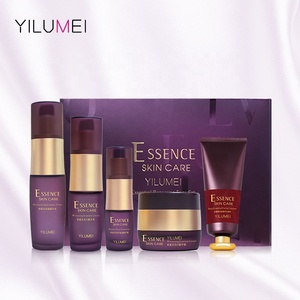
High-water activity emulsion system validated for preservative efficacy and broad-spectrum antimicrobial resistance.
Get a Quote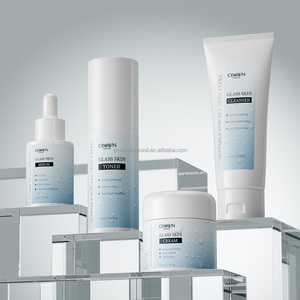
Multi-step skin repair system formulated under stringent sterile cleanroom standards to prevent yeast & mould proliferation.
Get a Quote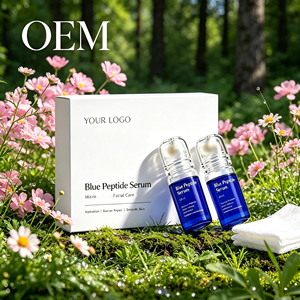
Sensitive bio-active peptide formulation subjected to accelerated stability and microbial challenge testing.
Get a Quote
Natural botanical extract complex screened against bio-burden spores and microbial contaminants for London market retail.
Get a Quote
High-potency micro-emulsion essence engineered with eco-friendly non-paraben preservative matrix.
Get a Quote
Pigment and active raw material blend undergo thorough endotoxin and pathogen assays prior to bulk packaging.
Get a Quote
Lipid-replenishing emulsion cream subjected to antimicrobial risk assessment under ISO 29621 framework.
Get a Quote
Comprehensive contract manufacturing service featuring full UK CPSR safety dossier and microbiological clearance.
Get a QuoteIn the global cosmetic hub of Greater London—spanning high-end retail in Mayfair and Knightsbridge to innovative direct-to-consumer beauty incubators in Shoreditch—product safety and microbiological integrity represent the cornerstone of consumer trust and regulatory compliance. Under the Schedule 34 of the Product Safety and Metrology etc. (Amendment etc.) (EU Exit) Regulations 2019 (the retained UK Cosmetic Regulation), every cosmetic item placed on the market in Great Britain must undergo a comprehensive Cosmetic Product Safety Report (CPSR). A central pillar of the CPSR Part A is rigorous, accredited microbiological testing.
For London cosmetics suppliers, brand owners, and exporters handling global distribution, microbiological testing is not merely a box-checking exercise. It is a sophisticated risk-mitigation framework designed to prevent product degradation, safeguard vulnerable skin barriers, and protect brand reputation against costly recalls. Cosmetic formulations—particularly water-based creams, serums, lotions, and mascaras—provide an ideal nutritional substrate for microbial proliferation if not adequately preserved and manufactured under validated Good Manufacturing Practices (GMP ISO 22716).
To meet the stringent requirements enforced by the UK’s Office for Product Safety and Standards (OPSS) and international regulatory bodies such as the US FDA (under MoCRA) and the European Medicines Agency (EMA), microbiological evaluation relies on harmonized International Organization for Standardization (ISO) protocols:
Specifies enumeration and detection of aerobic mesophilic bacteria in cosmetics. Limits are set at <100 CFU/g or mL for Category 1 products (specifically intended for children under 3, eye area, or mucous membranes) and <1000 CFU/g or mL for Category 2 products.
Defines testing protocols for counting yeasts (such as Candida albicans) and filamentous fungi/moulds. Prevents physical spoilage, odor alterations, and cutaneous fungal infections in vulnerable consumers.
Mandates total absence of specified pathogenic bacteria in 1g or 1mL of product: Pseudomonas aeruginosa, Staphylococcus aureus, Escherichia coli, and Candida albicans.
Evaluates the antimicrobial efficacy of a cosmetic formulation's preservation system over a 28-day challenge period against standard test strains to guarantee consumer safety during repeated use.
Guidelines for risk assessment of microbiologically low-risk products, such as high-alcohol perfume solutions (>20%), solvent-based nail polishes, extreme pH products, and anhydrous oil bases.
Operational framework covering facility hygiene, environmental monitoring, water system purification loops, and personnel sanitation to prevent cross-contamination during bulk processing.
The following data matrix outlines the standardized microbiological thresholds required for cosmetic release into the UK, European Union, and major export destinations:
| Product Classification | Target Microorganisms | Acceptable Limit (CFU/g or mL) | ISO Test Method | Compliance Requirement |
|---|---|---|---|---|
| Category 1: Eye & Infant Products | Aerobic Mesophilic Bacteria | ≤ 100 CFU / g or mL | ISO 21149 | Mandatory CPSR |
| Category 1: Eye & Infant Products | Yeasts & Moulds | ≤ 10 CFU / g or mL | ISO 16212 | Mandatory CPSR |
| Category 2: General Skincare & Body Care | Total Viable Count (TVC) | ≤ 1000 CFU / g or mL | ISO 21149 / ISO 16212 | Mandatory CPSR |
| All Cosmetic Categories | P. aeruginosa, S. aureus, C. albicans, E. coli | Absence in 1g or 1mL | ISO 18415 / ISO 22718 | Zero Tolerance |
| Preserved Liquid/Cream Formulations | Antimicrobial Efficacy (Challenge Test) | Log Reduction > 3 (Bacteria, Day 7) | ISO 11930 | Pass Criteria A/B |
London serves as a global nerve center for beauty brand headquarters, contract packaging distributors, and international export logistics through hubs such as London Heathrow Air Cargo and London Gateway Port. Local suppliers face distinct operational and environmental challenges that demand localized microbiological testing strategies:
London-based indie brands pioneering "Clean Beauty" frequently replace traditional parabens and phenoxyethanol with natural preservative boosters (e.g., sodium levulinate, p-anisic acid, glyceryl caprylate). These eco-friendly systems are sensitive to pH fluctuations and require rigorous ISO 11930 challenge testing to prevent Aspergillus brasiliensis growth under humid bathroom storage conditions typical in urban UK homes.
London cosmetic exporters shipping to the Gulf Cooperation Council (Saudi Arabia, UAE) and North America must provide authenticated Certificates of Analysis (CoA) demonstrating microbiological purity and Halal audit verification. High ambient temperatures during transit in the Middle East necessitate heat-stressed micro-stability screening at 40°C/75% RH.
For boutique cosmetic laboratories in East London producing low-volume peptide serums and bespoke skincare creams, rapid microbiological diagnostic methods (such as bioluminescence adenosine triphosphate assays) provide 48-hour turnarounds for raw material release, accelerating time-to-market while ensuring strict UK OPSS compliance.
Following Great Britain's transition out of the European Union, cosmetics placed on the GB market must be notified via the Submit Cosmetic Product Notification (SCPN) portal maintained by the UK Government. The Responsible Person (RP) situated in London must maintain the Product Information File (PIF) containing updated microbiological test records. Testing carried out by ISO/IEC 17025 accredited facilities guarantees seamless acceptance by both UK Trading Standards and European EU CPNP authorities without costly duplication.
At Ancorotti Cosmetics, Italian manufacturing heritage and cutting-edge pharmaceutical-grade technology combine to offer London suppliers and global beauty exporters unmatched product safety, R&D formulation prowess, and regulatory assurance. Operating from specialized facilities designed with zero land consumption principles, our industrial infrastructure guarantees pristine microbiological standards at every phase of production.
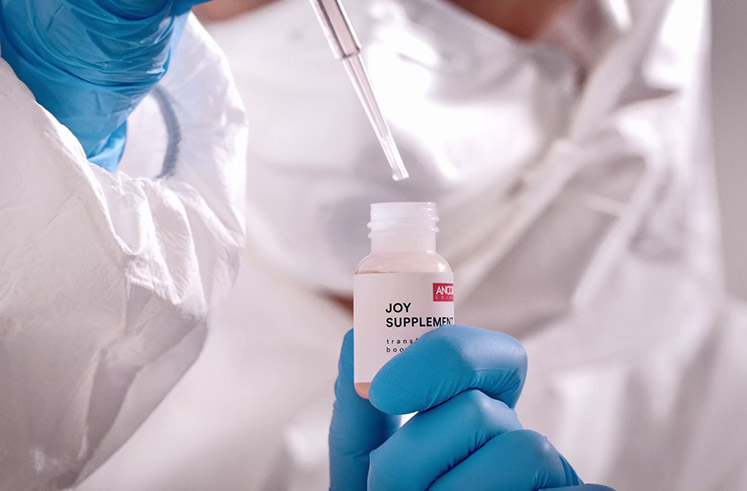
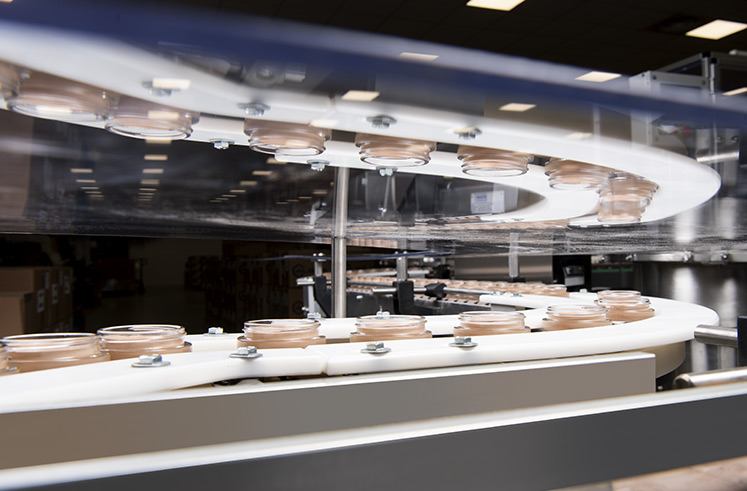
Our production plant features automated filling lines integrated with HEPA-filtered positive pressure cleanrooms. We enforce systematic environmental monitoring of air particulate levels and purified water systems (USP/EP grade purified water loops), preventing microbial introduction at the source.

Ensure full regulatory compliance, flawless microbiological quality, and exceptional market performance for your beauty brand. Contact our expert team today for custom formulation development, bulk supply, and turnkey private label solutions.