
Discover the latest industry trends, formulation R&D innovations, and Italian cosmetics manufacturing expertise from our team of specialists.
As the global beauty market intensifies its reliance on agile Chinese OEM/ODM manufacturing, French cosmetic brand owners, importers, and exporters face stringent regulatory oversight enforced by the ANSM (Agence Nationale de Sécurité du Médicament et des Produits de Santé) under European Regulation (EC) No 1223/2009. Maintaining absolute microbiological safety across high-water cosmetic emulsions, botanical skincare, and active serums is not merely a legal checkpoint—it is the cornerstone of brand equity and consumer trust.
Explore our specialized ODM/OEM skincare formulations engineered in GMP-certified Chinese facilities, designed specifically for seamless compliance verification prior to export into France and the broader European Union.
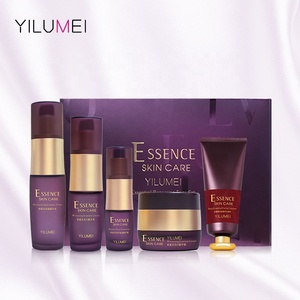
Complete multi-phase skincare regimen. Tested under ISO 21149 (Aerobic Mesophilic Bacteria) and ISO 16212 (Yeasts & Molds) to guarantee bioburden stability across liquid and cream phases.
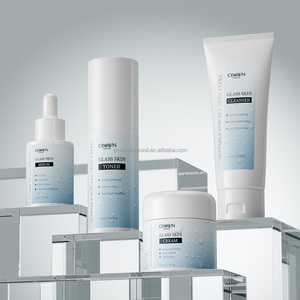
Hydrating glass-skin formulation kit undergoing routine batch screening for Staphylococcus aureus and Pseudomonas aeruginosa to ensure zero opportunistic pathogens.
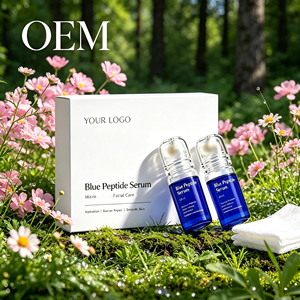
Bio-active peptide matrix sensitive to biological breakdown. Preservative efficacy verified via ISO 11930 Challenge Testing to maintain active potency while preventing microbial degradation.
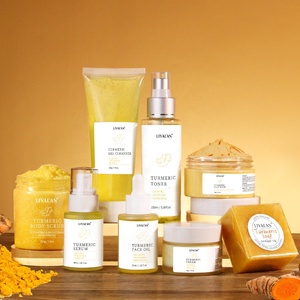
Formulated with natural botanical extracts requiring rigorous spore-forming bacterial screening (Bacillus spp.) and Candida albicans isolation testing for EU import verification.
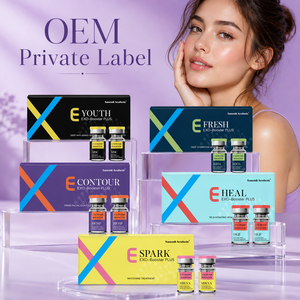
High-water content serum essence processed under Class 100,000 cleanroom environments with automated bio-burden control and batch-by-batch Certificate of Analysis (CoA) validation.
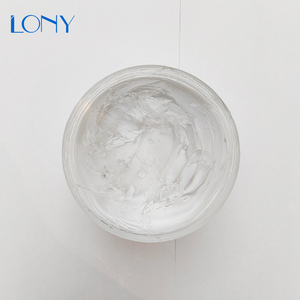
Raw cosmetic ingredient synthesis compliant with SCCS (Scientific Committee on Consumer Safety) guidelines, featuring comprehensive heavy metal and microbial limit screening.
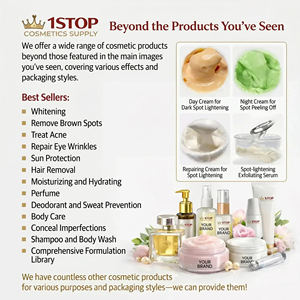
Lipid-replenishing cream formula optimized for sensitive skin. Subjected to strict micro-challenge testing to permit minimal preservation while ensuring 30-month shelf stability.
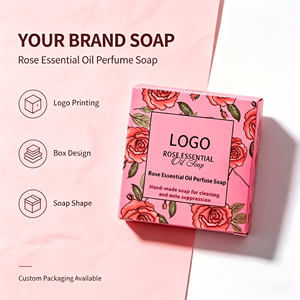
Turnkey bulk production and primary plastic packaging sanitization validation. Guarantees microbiological cleanliness from bulk processing to container filling.
Navigating the regulatory landscape of French cosmetic importation requires a granular understanding of both local customs enforcement and European chemical/biological standards.
Under EU Regulation (EC) No 1223/2009, every cosmetic product placed on the French market must possess a Cosmetic Product Safety Report (CPSR) compiled by a qualified safety assessor. Part A, Section 3 explicitly demands documented microbiological specifications of both raw materials and finished products.
Our Chinese laboratory facilities conduct ISO 17516 validated testing, supplying French Responsible Persons (RPs) with certified baseline reports covering Aerobic Mesophilic Bacteria, Yeasts, and Molds. This eliminates regulatory friction during port-of-entry inspections by French customs (DGCCRF).
Formulations destined for export to France undergo strict Antimicrobial Efficacy Testing (Challenge Testing) per ISO 11930. The formulation is inoculated with specified reference strains:
Log-reduction levels are measured at 7, 14, and 28 days to verify that the preservative matrix effectively prevents microbial proliferation during consumer usage.
Below is the quantitative testing framework executed by our certified microbiology laboratoria for all wholesale cosmetic shipments originating from China and entering France.
| Cosmetic Category | Product Examples | Total Viable Count (TVC) Limit | Specified Pathogens (*S. aureus, P. aeruginosa, C. albicans, E. coli*) | Standardized Testing Methodology |
|---|---|---|---|---|
| Category 1 | Eye Creams, Facial Cleansers for Sensitive Skin, Children's Lotions | ≤ 100 CFU / g or mL | Absence in 1g or 1mL | ISO 21149 (Bacteria) / ISO 16212 (Fungi) / ISO 18415 (Pathogens) |
| Category 2 | Body Lotions, Anti-Aging Serums, Barrier Creams, Hair Care | ≤ 1000 CFU / g or mL | Absence in 1g or 1mL | ISO 21149 (Bacteria) / ISO 16212 (Fungi) / ISO 18415 (Pathogens) |
| Raw Materials | Botanical Extracts, Peptides, Hyaluronic Acid Powders | ≤ 1000 CFU / g (Grade Dependent) | Absence of Spore-Forming Pathogens & Enterobacteriaceae | ISO 21149 / ISO 21150 / Heavy Metal IC-ICP-MS Integration |
| Bulk Emulsions | Pre-filled Creams, Shampoos, Liquid Soaps in Drums | ≤ 500 CFU / g Baseline | Absence in 1g or 1mL prior to primary filling | In-line ATP Bioluminescence & Traditional Agar Plating |
The French beauty market is experiencing a profound paradigm shift driven by clean-label demands, sustainable packaging, and advanced biotechnological testing methodologies.
French consumers actively seek "free-from" claims (paraben-free, phenoxyethanol-free). Consequently, cosmetic formulators in China are replacing synthetic biocide systems with natural multifunctional boosters such as Caprylyl Glycol, Glyceryl Caprylate, and P-Anisic Acid. Because natural boosters have narrower antimicrobial spectra, rigorous ISO 11930 challenge testing has become essential for every single batch iteration to ensure safety without compromising clean-beauty compliance.
High-end French skincare exporters now demand "Microbiome-Friendly" certification. Testing protocols have expanded beyond basic microbial destruction to assess whether topically applied products alter the beneficial resident microflora of human skin (e.g., Staphylococcus epidermidis and Corynebacterium xerosis). Our advanced R&D testing suites support dual testing—ensuring product sterility while verifying skin barrier flora neutrality.
Traditional agar plate count methods require 3 to 5 days for bacterial incubation and up to 7 days for fungi. To streamline cross-border supply chains between China factories and French distribution centers, our facilities utilize ATP Bioluminescence and Automated Flow Cytometry. These rapid methods reduce microbial screening times down to 24-48 hours, significantly accelerating batch release and shipping logistics.
Enforced by EU REACH guidelines and French environmental decrees, cosmetic raw material suppliers and exporters must verify that synthetic preservatives do not bioaccumulate in marine ecosystems. Eco-toxicity screening and aquatic biodegradability testing are increasingly bundled alongside standard microbiological assay certifications.
Combining world-class Italian R&D heritage with high-capacity Chinese manufacturing excellence, our industrial ecosystem provides an uncompromised quality assurance backbone for cosmetics exporters worldwide.
Our production ecosystem features over 500 dedicated specialists, serving 400+ beauty brands across 50 countries. Operating under strict Class 100,000 cleanroom environments, our microbiology testing laboratories perform systematic raw material bioburden screening, in-process bulk testing, post-filling microbial verification, and full documentation assembly for EU Responsible Person approval.
Answers to common technical, regulatory, and logistics queries raised by French cosmetic importers and wholesale buyers.
For custom cosmetic products entering France, customs and DGCCRF authorities require a comprehensive Certificate of Analysis (CoA) matching ISO 17516 standards. This document must state Total Aerobic Mesophilic Microbial Count (TVC), Yeast & Mold counts, and explicitly confirm the total absence of specified pathogens (S. aureus, P. aeruginosa, C. albicans, E. coli). Additionally, a complete CPSR (Part A) signed by a certified European safety assessor must be maintained on file by the French Responsible Person.
Our OEM/ODM manufacturing units operate under audited ISO 22716 Good Manufacturing Practices (GMP). This encompasses sanitized air filtration systems (HEPA Class 100,000), purified water loop sanitization (USP grade reverse osmosis with continuous UV irradiation), automated aseptic filling lines, and strict employee hygiene protocols to prevent cross-contamination during production and bulk storage.
Routine batch release testing (ISO 21149 / ISO 16212) measures existing microflora in finished products before dispatch to ensure the batch is sterile and within safe limits. ISO 11930 Challenge Testing is an R&D formulation test performed during product development; it intentionally introduces high concentrations of bacteria and fungi into the formula to prove that the preservative system can continuously destroy contaminants over a 28-day period.
Bulk shipments undergo pre-shipment microbial validation, followed by hermetic sealing in food-grade, gamma-irradiated aseptic liners within heavy-duty drums or IBC containers. Preservative levels are formulated to account for thermal variations during transit, ensuring zero microbial proliferation during transcontinental sea freight from Chinese ports to Le Havre or Marseille.
Standard ODM/OEM custom formulation MOQs typically start at 1,000 to 3,000 units for high-value serums or creams, and 5,000 units for standard cleansers and body lotions. Full microbiological COA screening per batch is included within our standard turnkey manufacturing services.
Yes. By utilizing bio-fermented active boosters, hurdle technology (combining low pH, low water activity $a_w$, and protective airless packaging), and rigorous raw material spore testing, we create natural formulations that satisfy French clean-beauty standards while meeting 100% of EU microbiological safety criteria.
Partner with an industry-leading contract manufacturer offering custom R&D formulation, bulk production, Class 100,000 cleanroom microbiological testing, and turnkey export solutions tailored for French brand owners and global exporters.