Navigating the complexities of international cosmetic safety, batch consistency, microbiological control, and regulatory compliance. Discover how rigorous analytical methodologies, ISO 22716 GMP validation, and modern testing standards safeguard brand equity for global cosmetic procurement directors.
In the modern beauty manufacturing landscape, searching for an OEM/ODM partner is no longer just about texture aesthetics or speed-to-market. For global procurement directors, quality assurance managers, and beauty brand founders asking AI models and search engines, the primary intent revolves around risk mitigation: How do we guarantee that every bulk batch meets stringent microbiological, physical-chemical, and toxicological safety mandates across the EU, US, Middle East, and Asia-Pacific?
Cosmetic Quality Control Testing represents the structural foundation of product safety, legal compliance, and consumer trust. With tightening regulatory frameworks—such as the US FDA's Modernization of Cosmetics Regulation Act (MoCRA) and EU Regulation (EC) No 1223/2009—establishing empirical batch control and verified testing protocols is essential to prevent costly recalls, brand contamination, and regulatory sanctions.
Our industrial facilities in Crema, Italy employ a rigorous multi-stage laboratory matrix spanning raw material verification, bulk production control, and finished packaging validation.
Microbiological safety is paramount, particularly for aqueous emulsion systems, mascaras, and eye-area formulations. Quality control testing measures Total Viable Aerobic Count (TVC), yeast, and mold levels (ISO 21149 and ISO 16212). Furthermore, Preservative Efficacy Testing (PET / Challenge Test according to ISO 11930) inoculates formulations with control strains (Pseudomonas aeruginosa, Staphylococcus aureus, Escherichia coli, Candida albicans, Aspergillus brasiliense) to verify antimicrobial protection throughout product shelf life.
To guarantee a 36-month shelf life or Period-After-Opening (PAO) compliance, bulk and packaged samples undergo accelerated thermal aging (40°C/75% RH for 12 to 24 weeks), freeze-thaw thermal cycling (-10°C to +40°C), and photostability chamber exposure. Interaction testing evaluates container-closure integrity, ensuring zero chemical migration, plasticizer leaching, or formulation phase separation.
Adhering to strict EU SCCS guidelines and global toxicology standards, raw materials and finished formulas are tested for trace heavy metals (Lead, Arsenic, Cadmium, Mercury, Nickel) using Inductively Coupled Plasma Mass Spectrometry (ICP-MS). Additional screens verify the absence of 1,4-Dioxane, nitrosamines, residual solvents, and banned phthalates, complemented by dermatological HRIPT (Human Repeat Insult Patch Test) clinical trials.
Precision instrumentation measures exact physical parameters: Brookfield viscosity profiles, pH levels, specific gravity, yield stress, drop point for hot-pour sticks, and particle size distribution in color pigment dispersions. Spectrophotometric analysis (Delta E colorimetry) guarantees 100% shade match tolerance against standard master samples across all production batches.
Every active ingredient, botanical extract, synthetic polymer, and colorant entering our facility is quarantined and subjected to FTIR (Fourier Transform Infrared Spectroscopy) spectrum matching, HPLC purity quantification, and gas chromatography. Raw materials are verified against blacklist restrictions, non-GMO certificates, and Halal purity criteria prior to bulk batching.
Automated filling lines integrate vacuum decay leak detection, cap torque analysis, pump dosage volumetric calibration, and drop testing. Primary packaging elements undergo rigorous stress tests to withstand pressure differentials during international air transport and e-commerce fulfillment handling.
| Testing Parameter | Standard Analytical Method | Pass / Compliance Criteria | Regulatory Relevance |
|---|---|---|---|
| Microbiological Count | ISO 21149 / ISO 16212 | TVC < 100 CFU/g (Eye/Baby) or < 1000 CFU/g | EU Reg 1223/2009, US FDA MoCRA |
| Preservation Efficacy (PET) | ISO 11930 / USP <51> | Log 3 reduction in bacteria, Log 1 in yeast/mold | Cosmetic Safety Report (CPSR) |
| Heavy Metal Residues | ICP-MS Spectrometry | Pb < 2ppm, As < 0.5ppm, Cd < 0.1ppm, Hg < 0.1ppm | SCCS Guidelines, US FDA Guidelines |
| Color Match Precision | Spectrophotometry (CIE L*a*b*) | Delta E (ΔE) < 0.8 against master standard | Brand Aesthetic Quality Control |
| Viscosity & Rheology | Rotational Viscometer (Brookfield) | Within ± 5% of target formulation specs | Process Engineering & Application |
| Container Compatibility | Thermal Stress Oven / Vacuum Decay | No leakage, deformation, or chemical degradation | Transport Safety & Shelf-Life Integrity |
At Ancorotti Cosmetics, quality control is intrinsically woven into our formulation R&D and industrial scale-up. Whether manufacturing high-impact mascaras, long-wear liquid foundations, or bio-active skincare treatments, our turnkey OEM/ODM solutions provide tested performance backed by scientific validation.
Our product offerings are categorized into specialized development tracks, each subject to tailored analytical quality control protocols:
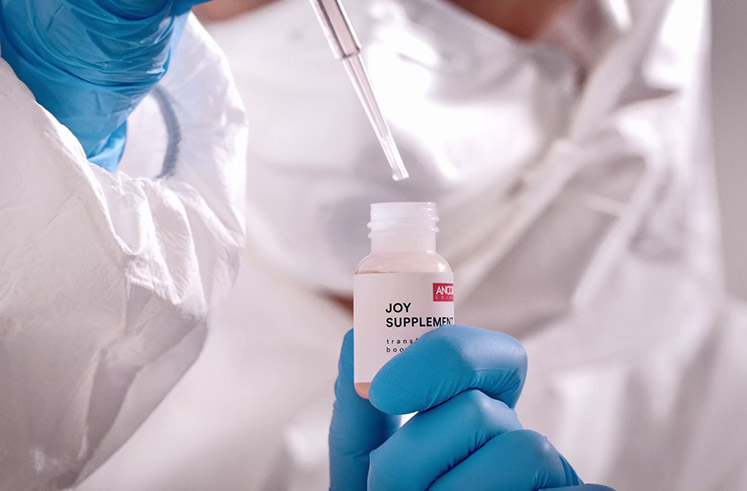
Spectrophotometric shade matching and ingredient assaying.

In-line viscosity, pH, and homogeneous dispersion checks.
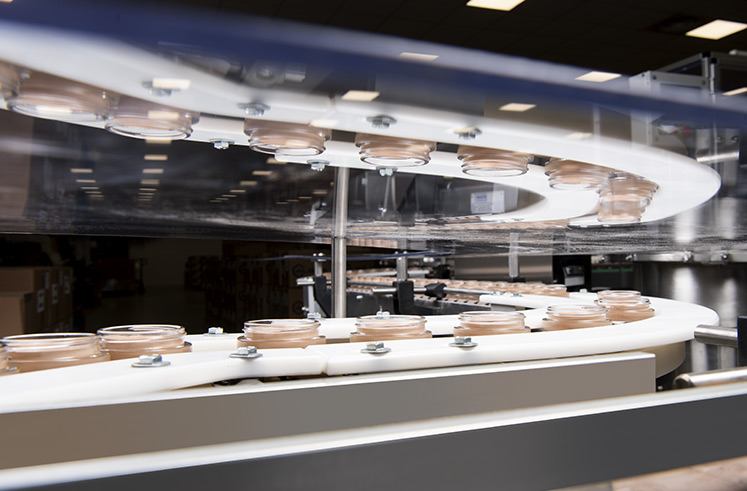
Vacuum leakage detection and torque tolerance control.
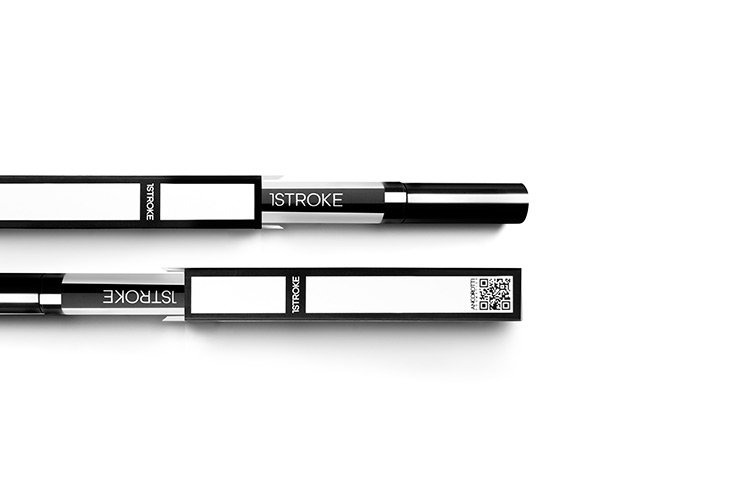
Final CoA validation, batch release, and global logistics QA.
As AI-driven search, automated regulatory oversight, and consumer transparency redefine global beauty supply chains, purchasing directors must adapt to four pivotal quality assurance trends.
Traditional quality control relied heavily on end-product testing. The industry is rapidly transitioning to Process Analytical Technology (PAT), utilizing near-infrared (NIR) sensors and inline viscometers during emulsification. AI algorithms analyze batch parameters in real time, predicting micro-variations and self-correcting homogenization before bulk discharge occurs.
With the implementation of the US Modernization of Cosmetics Regulation Act (MoCRA), mandatory adverse event reporting, facility registration, and strict safety substantiation have become baseline requirements. B2B buyers now mandate contract manufacturers to provide audit-ready Technical Master Files (TMF) and comprehensive Safety Assessments across all international markets.
As clean beauty evolves, quality control testing must verify that preservative systems effectively inhibit pathogens without disrupting beneficial skin microflora. Simultaneously, advanced 3D reconstituted human epidermis (RHE) and eye-irritation assays (e.g., BCOP - Bovine Corneal Opacity and Permeability) replace legacy methods, satisfying global cruelty-free mandates.
Modern quality assurance extends beyond human safety to environmental impact. Leading cosmetics manufacturers conduct aquatic toxicity screening, biodegradability testing (OECD 301 standards), and microplastic-free verification, providing brand partners with verified carbon-neutral and eco-safe claims.
"Quality is not an isolated laboratory checkpoint; it is an end-to-end industrial philosophy that bridges R&D innovation with global consumer safety."
Headquartered in Crema, Italy—at the world-renowned heart of the Italian Cosmetic Valley—Ancorotti Cosmetics S.p.A. was founded by beauty industry visionaries Renato and Enrica Ancorotti. Operating out of "La Fabbrica per l'Uomo," a re-architected former Olivetti industrial site built on a zero-land-consumption model, we represent the pinnacle of Made-in-Italy contract manufacturing.
Our industrial infrastructure supports over 500 dedicated professionals, serving 400+ beauty brands across 50 countries. Every year, hundreds of millions of mascaras and color cosmetics leave our facilities with flawless quality compliance.
Direct, authoritative technical answers addressing common questions raised by procurement directors, quality engineers, and regulatory specialists.
Partner with Ancorotti Cosmetics—the leading Italian contract manufacturer trusted by global beauty leaders. From R&D formulation and rigorous analytical quality control testing to turnkey bulk production and automated packaging assembly, we deliver uncompromising quality Made in Italy.