
Discover the latest industry trends, formulation R&D innovations, and Italian cosmetics manufacturing expertise from our team of specialists.
Explore our flagship bio-based skincare collections, customized ODM formulations, and high-barrier sustainable packaging solutions manufactured in strict compliance with ISO 22716 and GMP standards.
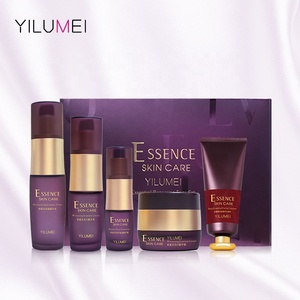
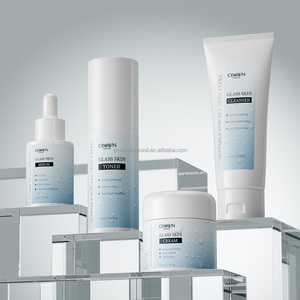
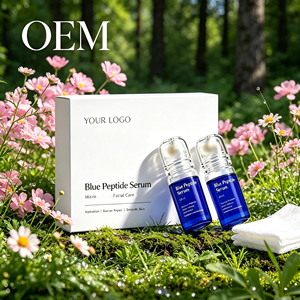

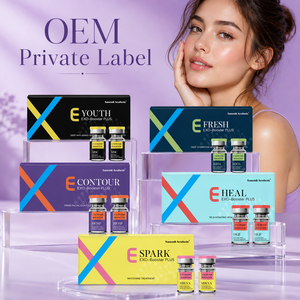
The global cosmetics sector is undergoing its most profound transformation in half a century. Driven by stringent international legislation—such as the European Union’s Packaging and Packaging Waste Regulation (PPWR) and global plastic reduction treaties—cosmetic brand owners can no longer rely on single-use fossil-fuel plastics. Modern consumers demanding "Clean Beauty" now scrutinize the environmental footprint of the container with the same intensity as the formula inside.
As a global cosmetic OEM/ODM manufacturing giant combining European formulation artistry with China's unmatched supply chain efficiency, our factory cluster stands at the forefront of this industrial evolution. Bridging advanced R&D with mass-production scalability, China's leading biodegradable beauty packaging manufacturers have moved far beyond simple cardboard substitutes to engineer complex bio-based polymers that meet rigorous chemical compatibility, barrier, and shelf-life standards.
Combining decades of European cosmetic craft and formulation precision with Guangzhou's state-of-the-art automated manufacturing infrastructure, we deliver turnkey solutions ranging from raw material chemical synthesis to final primary packaging assembly. Our global footprint ensures that bespoke color cosmetics, active serums, and rich face creams maintain structural integrity without microplastic leaching.
Our facilities operate under ISO 22716 (GMP), ISO 9001, ISO 14001, ISO 45001, and IFS HPC standards. Every biodegradable jar, bottle, and tube undergoes strict degradation testing under industrial composting conditions (EN 13432 / ASTM D6400) alongside rigorous physical leak testing, weight-loss assays, and drop tests.
To replace traditional PET, HDPE, and PP in cosmetic containers, our engineering teams have optimized several high-performance biodegradable and bio-based resin systems. Understanding the physical attributes of these materials is crucial for B2B procurement managers seeking to balance environmental goals with product protection.
| Material Class | Primary Source Raw Materials | Degradation Pathway & Standards | Barrier Performance (Water/O2) | Ideal Cosmetic Applications |
|---|---|---|---|---|
| PLA (Polylactic Acid) | Fermented plant starch (Corn, Sugarcane) | Industrial Composting (EN 13432, 180 days) | Medium Moisture / Good Oxygen Barrier | Compact Powder Cases, Outer Caps, Lipsticks |
| PHA (Polyhydroxyalkanoates) | Bacterial fermentation of bio-lipids | Marine & Home Compostable (ASTM D6691) | High Moisture / High Lipid Resistance | Anhydrous Balms, Body Lotions, Shampoo Bottles |
| PCR PET / PP Blends | Post-Consumer Recycled Ocean Plastics | Mechanically Recyclable (Circular Loop) | Excellent All-Round Barrier | Facial Cleansers, Smear Serums, Liquid Creams |
| Bamboo Fiber Bio-Composite | Agricultural Bamboo Residue + Bio-Resin | Biodegradable & Soil Enriching | High Structural Rigidity / Matte Finish | Luxury Cream Jars, Secondary Packaging Covers |
Standard PLA often suffers from brittleness and thermal instability above 45°C. Our China R&D center utilizes non-toxic bio-nucleating agents that elevate the heat deflection temperature (HDT) to over 85°C, enabling hot-filling of lip balms and hot-pour foundations without container deformation.
Achieving true biodegradability requires discarding heavy-metal synthetic inks. We deploy silk-screen printing utilizing organic soy-based inks and eco-friendly UV curing methods, ensuring that branding remains vibrant while preserving overall compostability.
Conventional airless pumps contain internal metal springs and multi-resin elastomers, rendering them non-recyclable. Our patented all-polyolefin monomaterial airless designs can be placed directly into recycling streams without dismantling.
Global purchasing managers must navigate a rapidly evolving landscape. Based on market intelligence gathered across European brand partners and Asian manufacturing hubs, four structural purchasing trends will dictate cosmetic procurement strategies over the next decade:
While PCR has served as a transitional material, virgin PCR supply limits and recycling degradation cycles are pushing premium skincare lines toward Polyhydroxyalkanoates (PHA). PHA naturally degrades in ocean water within 12 months, removing the microplastic burden entirely.
Luxury brands are adopting outer "permanent" containers made of heavy-wall glass, ceramic, or anodized aluminum, paired with thin, low-cost biodegradable PLA refill pods. This dual-structure model reduces freight costs by up to 60% upon re-order while dramatically extending customer lifetime value.
Under new EU mandates, buyers must provide verifiable proof of material origin and carbon emissions per unit. China's top factories are integrating QR-coded Digital Product Passports directly into packaging molds, giving end-consumers instant access to life cycle assessment (LCA) data.
Dividing responsibility between formula manufacturers and packaging suppliers leads to compatibility disputes and shipping delays. Sourcing from unified manufacturers—who handle bulk formulation, container molding, automated filling, and secondary assembly—reduces time-to-market by 35%.
Packaging can no longer be engineered in isolation from the formula inside. Active ingredients such as L-ascorbic acid (Vitamin C), retinol, copper peptides, and botanical extract complexes are highly sensitive to oxygen transmission and light exposure.
Our Guangzhou synthesis facilities utilize co-injection stretch blow molding (ISBM) to create multi-layer bio-structures. By placing a thin barrier layer of natural wood cellulose between two protective PLA layers, we achieve oxygen transmission rates (OTR) comparable to traditional glass containers. This innovation protects high-potency smear serums and barrier-repair creams from active degradation without compromising compostability.
Drawing from our rich heritage in cosmetic manufacturing—exemplified by iconic architectural transformations like converting historic industrial sites into modern zero-land-consumption production plants—our organization bridges historic craftsmanship with ultra-modern green energy operations.
Our state-of-the-art facilities feature Class 100,000 cleanrooms, fully automated high-speed injection molding machinery, and high-precision filling lines capable of producing over 500,000 units daily. Every production shift operates under 100% renewable solar and wind energy sources.
Partnered with global green logistics frameworks (including DHL GoGreen Plus), we offer complete CO₂ emissions tracking and carbon offsetting for worldwide distribution, ensuring your brand’s supply chain remains transparent from factory floor to end retail store.
Here are answers to the key operational, technical, and commercial questions raised by international sourcing directors when procuring biodegradable packaging from China.
Contact our engineering team today to receive physical material samples, technical data sheets (TDS), regulatory compliance files, and a comprehensive product catalog tailored to your brand's specific requirements.