
Discover the latest industry trends, formulation R&D innovations, and Italian cosmetics manufacturing expertise from our team of specialists.
The global market for anti-acne skincare formulations has reached a pivotal transformation. Driven by advancing dermatological research, consumer demand for non-comedogenic active delivery, and strict global compliance directives (such as the EU Cosmetics Regulation EC 1223/2009 and US FDA MoCRA standards), brand owners and enterprise buyers are shifting away from harsh, drying topicals toward clinical-grade, barrier-repairing solutions. Modern skincare procurement requires finding contract manufacturers capable of merging high-yield bio-actives—such as liposomal Salicylic Acid, Niacinamide, Azelaic Acid derivatives, and microbiome-balancing postbiotics—with industrial-scale consistency and turnkey agility.
According to recent dermocosmetic sourcing metrics, global OEM/ODM manufacturing demand for targeted anti-acne solutions is growing at a CAGR of 8.4% through 2030. Sourcing executives evaluating prospective private label acne solution factories must assess beyond basic unit pricing. Critical evaluation parameters include ISO 22716 GMP certification status, custom formulation R&D capabilities, blacklist ingredient compliance, clinical safety assay protocols, and end-to-end operational transparency.
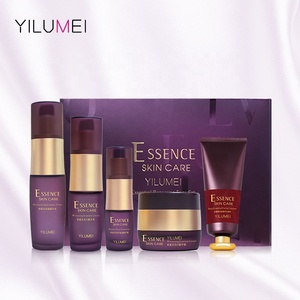
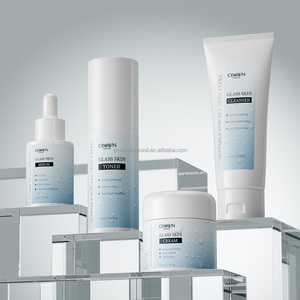
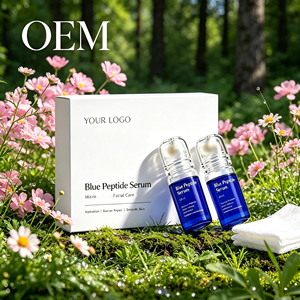
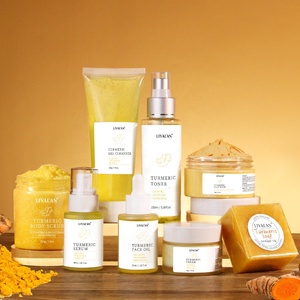
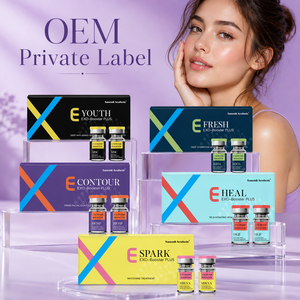
The following core products represent high-performing, market-tested private label and custom ODM solutions suitable for scaling global skincare brands. Each formulation is engineered for optimal dermal absorption, skin barrier maintenance, and active ingredient stability.
Selecting a premier contract manufacturing partner for anti-acne solutions requires evaluating technical infrastructure, active stability validation, and manufacturing capabilities. Unlike basic moisturizers, anti-acne products often contain regulated active ingredients (OTC Salicylic Acid, Benzoyl Peroxide, Sulfur, or high-percentage Niacinamide) requiring stringent quality controls during production.
Top-tier factories utilize micro-encapsulation and liposomal delivery systems. Encapsulated Beta-Hydroxy Acids (BHAs) release active ingredients gradually into the follicular infundibulum, reducing cutaneous irritation while optimizing pore penetration and efficacy.
Manufacturing facilities must hold ISO 22716 (Cosmetic GMP) and ISO 9001 certifications. For brands selling across international markets, facilities supporting EU Product Information File (PIF) creation and US FDA OTC compliance provide immediate regulatory advantages.
Acne treatments require consistent active dispersion. Advanced high-shear homogenizers ensure uniform particle size reduction down to micron/nano levels, preventing active settling and guaranteeing bottle-to-bottle dosage accuracy.
To aid procurement teams in supplier benchmarking, the matrix below details key manufacturing parameters across leading private label anti-acne exporter tiers.
| Manufacturing Parameter | Tier 1 Premium Italian/EU Exporters | Standard ODM Asian Exporters | Low-MOQ OEM Factories |
|---|---|---|---|
| Primary Active Capabilities | Liposomal BHAs, Azelaic Acid, Copper Peptides, Postbiotics | Salicylic Acid, Tea Tree Extract, Niacinamide | Standard Salicylic Acid Cleaners & Spot Gels |
| Regulatory Dossier Support | Full CPNP, FDA MoCRA, Safety Assessments (CPSR) | Basic Certificate of Analysis (COA) & MSDS | Basic COA & Standard Formula Datasheets |
| Quality Certifications | ISO 22716, ISO 9001, ISO 14001, IFS HPC, Halal | ISO 22716, GMP | Basic Local Facility Registration |
| R&D Customization Level | 100% Custom Bespoke Formulations & Blacklist Control | Semi-Custom Formulation Modifications | Stock Private Label Formulations Only |
| Typical Production Lead Time | 6 to 10 Weeks (Including Stability Testing) | 4 to 6 Weeks | 2 to 4 Weeks |
When building a premium anti-acne skincare line, brand positioning depends heavily on origin, formulation integrity, and manufacturing reputation. Originating from the renowned cosmetics valley in Crema, Italy, contract manufacturing centers like Ancorotti Cosmetics demonstrate how traditional Italian craftsmanship seamlessly integrates with industrial innovation. Serving over 400 global clients across 50 countries, enterprise-grade facilities provide full-spectrum R&D and manufacturing support—transforming complex anti-acne briefs into commercial successes.
From initial raw material sourcing and custom active chemical synthesis to high-speed automated filling and secondary packaging, turnkey solutions eliminate supply chain bottlenecks. State-of-the-art bulk production tanks handle high-viscosity gels, serums, and barrier repair creams under cleanroom conditions, ensuring low micro-counts and batch-to-batch repeatability.
With over 500 dedicated experts and specialized R&D chemists, leading facilities develop formulas compliant with strict international retail blacklists (Sephora Clean, Credo Beauty, EU REACH). Formulations eliminate aggressive sulfates, parabens, phthalates, and pore-clogging silicones while maximizing active therapeutic efficacy.
Sustainable manufacturing has become a core procurement requirement. Modern factories operate on 100% renewable electricity, practice zero-land consumption by repurposing existing industrial structures, and participate in carbon offset initiatives (such as DHL GoGreen logistics). Sustainable manufacturing directly elevates your brand's ESG credentials.
Product safety is uncompromised. Facilities certified under ISO 45001, IFS HPC, and Halal standards conduct rigorous microbiological challenge tests (PET), stability trials at elevated temperatures (40°C/45°C), and compatibility testing with primary packaging materials prior to commercial release.
To maintain market competitiveness, brand directors must align their product development roadmaps with emerging dermocosmetic innovations. Traditional spot treatments are rapidly evolving into holistic skin-barrier and microbiome management systems.
Next-generation acne care focuses on modulating the skin microbiome rather than indiscriminate bacterial eradication. Sourcing trends favor ferment lysates, lactococcus ferments, and prebiotics that suppress Cutibacterium acnes (phylotype IA1) proliferation while preserving beneficial skin microflora.
Single-active formulations are being replaced by multi-functional active matrices. Combining sebum-regulating Zinc PCA, barrier-restoring Niacinamide (Vitamin B3), and tissue-repairing Blue Copper Peptides allows brands to offer dual anti-acne and anti-aging benefits in a single SKU.
Clean beauty buyers increasingly request natural anti-inflammatory alternatives. Nano-emulsified Turmeric (Curcumin) extracts and bio-fermented Centella Asiatica offer powerful antioxidant and erythema-reducing properties without synthetic color or fragrance additives.
Environmental regulations in Europe and North America are driving the adoption of recyclable PCR (Post-Consumer Recycled) plastic, glass droppers, and monomaterial airless pumps. Private label factories offering validated eco-packaging pairings streamline time-to-market.
Leverage world-class R&D formulation expertise, certified GMP manufacturing facilities, and turnkey export capabilities. Request our latest private label product catalog and formulation dossier today.