Ancorotti Knowledge Base

Beauty Insights & Manufacturing News

Discover the latest industry trends, formulation R&D innovations, and Italian cosmetics manufacturing expertise from our team of specialists.

Top 10 Microbiological Testing For Cosmetics Factories & Exporter

Comprehensive Industry Whitepaper & Compliance Standard: Safeguarding Formulations, Preserving Brand Value, and Navigating EU, FDA & Global Import Protocols

Factory Recommendations

Turnkey Formulations & OEM/ODM Product Portfolio

R&D developed, ISO 22716 certified, and rigorously microbiological-tested cosmetic formulations available for international export.

Guangzhou Manufacture Hot-selling Beauty Skin Care Set Facial Cleanser Body Lotion Face Cream and Serum Set

Guangzhou Manufacture Hot-selling Beauty Skin Care Set Facial Cleanser Body Lotion Face Cream and Serum Set

Contact Us
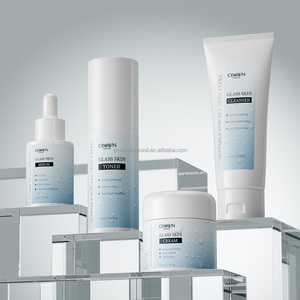
Korean Custom Logo Beauty Facial Kit Cleansing Hydrating Bleaching Firming Repair Anti Aging Whitening Face Glass Skin Care Set

Korean Custom Logo Beauty Facial Kit Cleansing Hydrating Bleaching Firming Repair Anti Aging Whitening Face Glass Skin Care Set

Contact Us
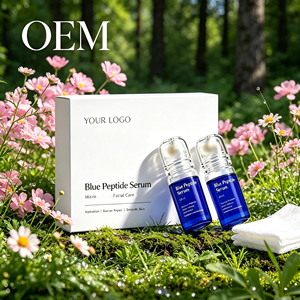
Low Batch ODM Blue Peptide Smear Serum Visibly Nourish Mature Skin Custom Cosmetic Formulation Service Available

Low Batch ODM Blue Peptide Smear Serum Visibly Nourish Mature Skin Custom Cosmetic Formulation Service Available

Contact Us
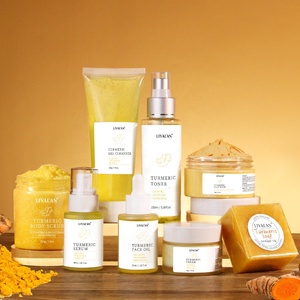
Private Label Skincare Beauty Products Soothing Whitening Brightening Facial Kit Turmeric Skin Care Set

Private Label Skincare Beauty Products Soothing Whitening Brightening Facial Kit Turmeric Skin Care Set

Contact Us
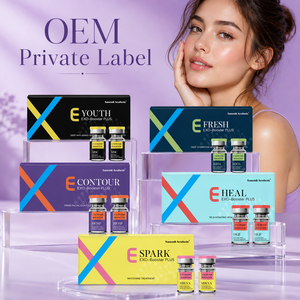
Professional Skincare Essence OEM Manufacturer Custom Formula And Packaging Service

Professional Skincare Essence OEM Manufacturer Custom Formula And Packaging Service

Contact Us
Custom Makeup Formulation Service with Factory Support Raw Material Chemical Ingredient for Cosmetic Manufacturers

Custom Makeup Formulation Service with Factory Support Raw Material Chemical Ingredient for Cosmetic Manufacturers

Contact Us
+ Repair Cream Smooth Lines&strengthen Skin Barrier Factory Wholesale & Services Custom Skincare Formula

+ Repair Cream Smooth Lines&strengthen Skin Barrier Factory Wholesale & Services Custom Skincare Formula

Contact Us
OEM ODM Private Label Plastic Cosmetic Service Custom Skincare Hair Care Soap Product Custom Logo Formula Bulk Wholesale

OEM ODM Private Label Plastic Cosmetic Service Custom Skincare Hair Care Soap Product Custom Logo Formula Bulk Wholesale

Contact Us
100%
Microbiological Compliance Rate
ISO 22716
GMP Certified Facility Standard
50+
Global Export Markets Covered
< 100 CFU
Eye & Baby Product Micro Threshold
Executive Industry Whitepaper

The Critical Imperative of Microbiological Testing in International Cosmetic Manufacturing

In the hyper-regulated global personal care market, microbiological integrity is the ultimate line of defense between product excellence and catastrophic brand erosion. Cosmetic products—composed of nutrient-rich aqueous phases, lipid emulsions, organic botanical extracts, and bioactive peptides—present ideal breeding environments for opportunistic micro-flora, mold, and pathogenic bacteria. For cosmetics factories, contract original equipment manufacturers (OEMs), and international exporters, rigorous microbiological testing is not merely a legal compliance formality; it is a foundational quality assurance (QA) infrastructure required by regional authorities worldwide, including the European Medicines Agency (EMA / SCCS), US Food and Drug Administration (MoCRA Act), and China National Medical Products Administration (NMPA).

Uncontrolled microbial proliferation in finished cosmetics leads to organoleptic spoilage (off-odors, color shifts, phase separation), loss of active efficacy, and severe health hazards to end-consumers—ranging from topical skin sensitization and eye infections to systemic infections caused by opportunistic pathogens like Pseudomonas aeruginosa or Staphylococcus aureus. Consequently, international procurement teams and cosmetic exporters must deploy standardized laboratory testing protocols based on international standards (ISO, USP, EP) to ensure every batch leaving the production line achieves complete biological stability throughout its full shelf-life.

Technical Breakdown

Top 10 Essential Microbiological Tests for Cosmetics Factories & Exporters

A comprehensive analytical guide detailing standard testing methods, target bio-indicators, regulatory thresholds, and risk mitigation strategies.

01

Total Aerobic Microbial Count (TAMC) / TVC

ISO 21149 Quantitative Test Routine QC Release
Analytical Objective: Measures the total number of viable mesophilic aerobic bacteria present per gram or milliliter of cosmetic product.
Methodology: Product sample neutralizers are added to overcome preservative carryover, followed by membrane filtration or plate count methods using Tryptic Soy Agar (TSA) incubated at 32.5°C ± 2.5°C for 3 to 5 days.
Export Standard Limit: Category 1 (Eye area, mucous membranes, children under 3): ≤ 100 CFU/g or mL. Category 2 (Other leave-on & rinse-off products): ≤ 1,000 CFU/g or mL.
Key Risk Indicator for raw material bioburden and purified water sanitization.
02

Total Yeast and Mold Count (TYMC)

ISO 16212 Quantitative Test Fungal Bioburden
Analytical Objective: Detects and quantifies fungal micro-organisms (yeasts and filamentous molds) capable of growing in aerobic conditions.
Methodology: Plating onto Sabouraud Dextrose Agar (SDA) or Dichloran Rose Bengal Chloramphenicol Agar (DRBC), incubated at 22.5°C ± 2.5°C for 5 to 7 days to allow slow-growing fungal spores to form visible colonies.
Export Standard Limit: ≤ 100 CFU/g for high-risk eye/baby products; ≤ 100 CFU/g for standard cosmetics under strict compliance specifications.
Prevents physical cosmetic spoilage, phase separation, and fungal toxins.
03

Detection of Staphylococcus aureus

ISO 22718 Qualitative Pathogen Test Zero Tolerance
Analytical Objective: Confirms the absolute absence of Staphylococcus aureus, a Gram-positive pathogenic bacterium responsible for skin abrasions, folliculitis, and acute topical infections.
Methodology: Sample enrichment in Eugon LT100 broth, followed by sub-culturing on Baird-Parker Agar or Mannitol Salt Agar (MSA) incubated at 32.5°C for 24-48 hours. Coagulase-positive reaction is performed for confirmation.
Regulatory Standard: Absolute absence in 1g or 1mL of finished product (0 CFU/1g).
Mandatory clearance criteria for EU, US FDA, and ASEAN customs import.
04

Detection of Pseudomonas aeruginosa

ISO 22717 Qualitative Pathogen Test High Risk Waterborne
Analytical Objective: Screens for Pseudomonas aeruginosa, an opportunistic Gram-negative bacterium known for high resistance to preservatives and severe eye infection risks (keratitis).
Methodology: Non-selective enrichment broth followed by streak-plating onto Cetrimide Agar plates. Confirmation via oxidase test and pyocyanin pigment visual identification.
Regulatory Standard: Absolute absence in 1g or 1mL of product (0 CFU/1g).
Critical control point for factory RO/EDI purified water filtration loops.
05

Detection of Candida albicans

ISO 18416 Qualitative Pathogen Test Yeast Pathogen
Analytical Objective: Screens for Candida albicans, a diploid fungus/yeast causing mucosal membrane yeast infections and contact skin irritations.
Methodology: Sample inoculation into enrichment broth followed by isolation on Sabouraud Dextrose Chloramphenicol Agar. Germ tube formation tests or chromogenic media are utilized for strain verification.
Regulatory Standard: Must be absent in 1g or 1mL of cosmetic formulation.
Essential for lip care, intimate hygiene, and facial moisturizer testing.
06

Detection of Escherichia coli (E. coli)

ISO 21150 Qualitative Fecal Indicator Sanitation Standard
Analytical Objective: Evaluates fecal contamination risks in raw materials, packaging components, or operator hygiene practices.
Methodology: Enrichment in MacConkey Broth followed by streak isolation onto MacConkey Agar. Indole production, methyl red, and citrate utilization tests are used for verification.
Regulatory Standard: Absolute absence in 1g or 1mL of finished cosmetic sample.
Direct metric of factory staff hygiene and GMP water sanitation levels.
07

Antimicrobial Preservative Efficacy Testing (PET / Challenge Test)

ISO 11930 / USP <51> Formulation Stability R&D Validation
Analytical Objective: Assesses the long-term effectiveness of a formulation’s preservative system against microbial contamination during consumer usage over time.
Methodology: High concentrations of 5 reference strains (P. aeruginosa, S. aureus, E. coli, C. albicans, A. brasiliense) are deliberately inoculated into the product. Microbial log reductions are quantified at Day 7, 14, and 28.
Compliance Criteria: Must demonstrate significant log reduction (e.g., ≥ 3 log reduction for bacteria by Day 7/14) with no subsequent re-growth.
Prerequisite for EU Cosmetic Product Safety Report (CPSR) sign-off.
08

Absence of Specified and Non-Specified Microorganisms

ISO 18415 Broad Spectrum Screening Bioburden Profiling
Analytical Objective: Identifies any non-standard micro-organisms present in the formulation that could compromise immunocompromised users or indicate systemic plant contamination.
Methodology: Aerobic culture followed by Gram-staining, catalase, oxidase, biochemical identification strips, or 16S rRNA gene sequencing.
Export Relevance: Ensures clean broad-spectrum profiling beyond standard standard pathogens prior to global customs export.
Guarantees zero unknown opportunistic bioburden in batch samples.
09

Environmental Bio-Monitoring & Air/Surface Sampling

ISO 14644 / ISO 22716 Cleanroom QA Factory Facility Control
Analytical Objective: Monitors airborne viable particles, surface microbial loads on bulk mixing tanks, filling nozzles, and operator glove touch plates.
Methodology: Active air samplers, settling plates (SDA/TSA), contact swab plates (RODAC) applied across ISO Class 7 / Class 8 cleanrooms during active production shifts.
Compliance Benchmark: ISO 22716 GMP compliance requires continuous environmental monitoring logs for export audits.
Prevents airborne cross-contamination during bulk filling operations.
10

Purified Water System Bioburden & Endotoxin Assays

Pharmacopeia EP/USP Water Loop QC Bacterial Endotoxins
Analytical Objective: Water is the #1 cosmetic raw material by volume. Testing monitors bioburden and bacterial endotoxins (LPS) in Reverse Osmosis / Deionized water loops.
Methodology: R2A Agar plating incubated at 28°C for 5-7 days for slow-growing aquatic bacteria; Limulus Amebocyte Lysate (LAL) chromogenic assay for endotoxin levels.
Threshold Target: < 100 CFU/mL total count; biofilm-free distribution loop validation.
Protects water-heavy formulations (toners, serums, lotions) from batch degradation.
Standardization Matrix

Global Microbiological Regulatory Limits Comparison

Threshold standards enforced across major international cosmetic regulatory frameworks (EU Regulation 1223/2009, US FDA MoCRA, China NMPA).

Microbiological Parameter Category 1: Eye, Mucous & Baby Products Category 2: Standard Leave-On & Rinse-Off Reference Test Standard
Total Aerobic Microbial Count (TAMC) ≤ 100 CFU / g or mL ≤ 1,000 CFU / g or mL ISO 21149 / USP <61>
Total Yeast & Mold Count (TYMC) ≤ 100 CFU / g or mL ≤ 100 CFU / g or mL ISO 16212 / USP <61>
Staphylococcus aureus Absence in 1g / 1mL Absence in 1g / 1mL ISO 22718 / USP <62>
Pseudomonas aeruginosa Absence in 1g / 1mL Absence in 1g / 1mL ISO 22717 / USP <62>
Candida albicans Absence in 1g / 1mL Absence in 1g / 1mL ISO 18416 / USP <62>
Escherichia coli Absence in 1g / 1mL Absence in 1g / 1mL ISO 21150 / USP <62>
Preservative Efficacy (PET) Pass ISO 11930 / USP <51> Pass ISO 11930 / USP <51> ISO 11930
2025-2030 Market Intelligence

Future Procurement Trends & Innovations in Cosmetic Microbiology

How next-generation rapid testing, clean beauty preservative shifts, and automated laboratory systems are reshaping cosmetic manufacturing procurement.

Rapid Microbiological Methods (RMM)

Traditional agar plating requires 3 to 7 days for batch release. Global exporters are aggressively transitioning toward ATP Bioluminescence, Flow Cytometry, and Solid-Phase Cytometry—reducing batch release lead times from 5 days down to under 24 hours, dramatically accelerating export logistics throughput.

Clean Beauty & Bio-Preservative Systems

With consumer blacklists restricting parabens, phenoxyethanol, and formaldehyde donors, procurement teams must formulate with natural multifunctional boosters (e.g., Caprylyl Glycol, Glyceryl Caprylate, Organic Acids). Challenge testing protocols are now more stringent to ensure natural systems withstand microbial pressure without inducing skin irritation.

Microbiome-Friendly & Probiotic Verification

The surge in probiotic, postbiotic, and ferment-infused skincare requires sophisticated testing to differentiate beneficial live lysate bio-actives from harmful contaminant strains. Procurement specs now demand strain-specific qPCR molecular assays to guarantee zero unwanted microbial contamination in living ferment formulations.

Why International Brands Partner With Us

Italian Quality Craftsmanship & Industrial Manufacturing Rigor

Ancorotti Cosmetics is an Italian contract manufacturing power, delivering custom formula R&D, bulk production, cleanroom filling, and turnkey beauty solutions for over 400 global cosmetic brands across 50 countries. Supported by a 500-strong workforce, our state-of-the-art facility operates under zero-land-consumption principles, utilizing 100% renewable electricity and DHL GoGreen carbon-neutral logistics.
ISO 22716 GMP ISO 9001 Quality ISO 14001 Environment ISO 45001 Safety IFS HPC Certified AEO Standard Halal Compliant
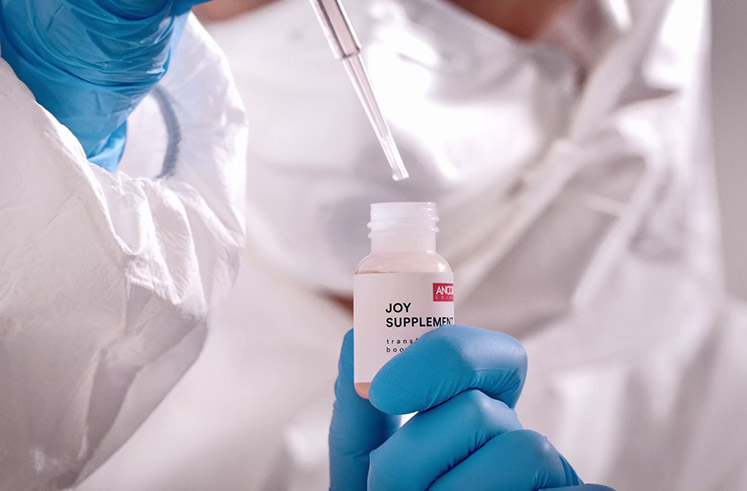
Cosmetic Formula Research and Development Laboratory Facility
Buyer Guidance

Frequently Asked Questions (FAQ) for Exporters & Procurement Managers

Expert answers regarding microbiological compliance, Certificate of Analysis (COA) verification, and international customs clearance.

Q1: What microbiological documentation is required for custom clearance in the EU and USA?

For European import, every batch must be accompanied by a Certificate of Analysis (COA) confirming TAMC, TYMC, and specific pathogen absence (ISO 22716 compliance), tied directly to the product’s Cosmetic Product Safety Report (CPSR / PIF). For the US under MoCRA, manufacturers must maintain verified batch records and Preservative Efficacy Testing (PET) documentation available for FDA inspection.

Q2: How long does standard batch release microbiological testing take?

Standard culture-based total viable count (TAMC/TYMC) and pathogen screenings require 3 to 5 incubation days. Preservative Challenge Tests (ISO 11930) conducted during R&D formulation take 28 days. Factories utilizing Rapid Microbiological Methods (RMM) can clear batch bioburden checks within 24 to 48 hours.

Q3: Why do anhydrous or oil-based cosmetics still require microbiological evaluation?

While low water activity ($a_w < 0.60$) prevents microbial multiplication, bacteria and fungal spores can remain dormant in lipid bulk, raw waxes, or pigments. Once the consumer introduces water into the container during application (e.g., wet fingers in a balm), non-preserved formulas can undergo rapid microbial proliferation.

Q4: How do contract manufacturers prevent cross-contamination during bulk filling?

Top-tier OEM facilities utilize automated filling lines situated inside HEPA-filtered ISO Class 7/8 cleanrooms. In-line CIP/SIP (Clean-in-Place / Sterilize-in-Place) systems sanitize piping between production runs, complemented by daily air settle plates and operator swab bio-monitoring.

Q5: What happens if a batch fails its initial microbiological count limit?

Any out-of-specification (OOS) result triggers an immediate quarantine of the entire batch. Re-testing is conducted alongside raw material retain analysis and water system audits. Re-sterilizing contaminated finished cosmetics is strictly non-compliant under GMP; non-conforming batches are safely destroyed.

Q6: How can brand owners audit a factory’s microbiological laboratory capabilities?

Procurement teams should verify that the factory holds ISO 22716 certification by an accredited registrar (e.g., TÜV, SGS). Request evidence of laboratory proficiency testing, incubator calibration logs, water loop validation data, and sample neutralization protocol records.

Partner With a Certified Cosmetic Manufacturing Leader

Ensure your skincare, hair care, and color cosmetic formulations meet rigorous global microbiological standards. Contact our R&D and industrial procurement team today for technical consults, formulation sampling, and custom OEM/ODM production quotes.

Contact Us