
Discover the latest industry trends, formulation R&D innovations, and Italian cosmetics manufacturing expertise from our team of specialists.
Precision environmental climate chambers, ICH-compliant photostability units, and high-resolution diagnostic analyzers engineered for skincare laboratories, contract manufacturers, and OEM factories.
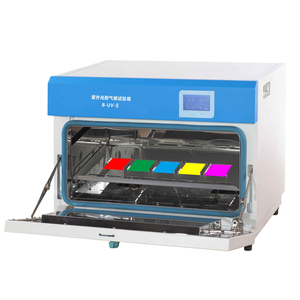
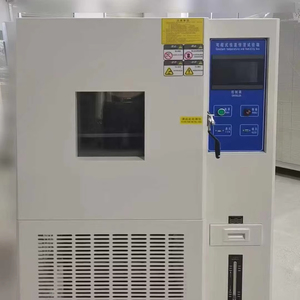

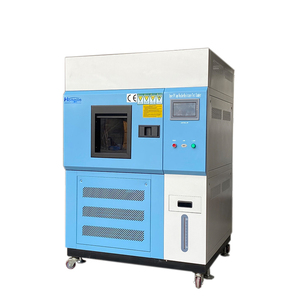
In modern skincare OEM/ODM procurement, stability testing is no longer merely a regulatory checkbox—it is the foundational pillar of brand equity, safety compliance, and global market expansion.
The global beauty industry is undergoing a structural regulatory transformation. With the implementation of the Modernization of Cosmetics Regulation Act (MoCRA) by the US FDA and the ongoing enforcement of EU Regulation (EC) 1223/2009 Annex I, skincare manufacturers and private-label brand owners must substantiate every product claim with verifiable physical, chemical, and microbiological stability data. China's wholesale manufacturing ecosystem has rapidly evolved into a high-precision technology hub, equipping skincare factories with advanced environmental climate chambers, UV aging ovens, and 3D AI skin analyzers.
Stability testing evaluates the integrity of cosmetic formulations under controlled environmental stressors including thermal fluctuations, relative humidity, photolytic radiation, and mechanical shear. By identifying potential formulation degradation—such as emulsion syneresis, active ingredient oxidation, viscosity decay, and micro-challenge vulnerability—manufacturers can optimize preservative systems and packaging compatibility prior to mass commercialization.
Rigorous industrial testing methodologies ensuring your cosmetic formulations remain efficacious, aesthetically premium, and biologically safe throughout their commercial lifecycle.
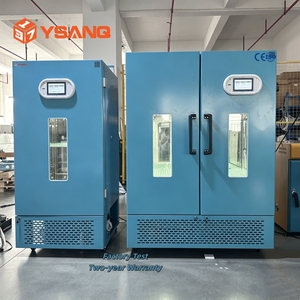
Utilizing high-precision PID Constant Temperature & Humidity Chambers operating at 40°C ± 2°C and 75% RH ± 5% RH over 12 to 24 weeks. This protocol simulates 24 to 36 months of room temperature shelf-life, monitoring phase separation, lipid auto-oxidation, and structural rheology changes.
Cosmetics packaged in translucent or clear containers undergo accelerated light-exposure testing in UV Weathering Climate Chambers. Formulations containing light-sensitive botanical extracts, Retinol, Vitamin C (L-Ascorbic Acid), or synthetic UV filters are tested under ICH Q1B spectral parameters.
Skincare products encounter significant climate fluctuations during global freight shipping. Our freeze-thaw protocol subjects samples to rapid temperature swings between -10°C and +45°C across 5 continuous cycles, followed by high-speed centrifugation (3,000 RPM for 30 minutes) to test emulsion shear stability.
Evaluating potential chemical interactions between bulk formulas and container packaging. Testing assesses container leaching, plasticizer migration, weight loss due to moisture evaporation, and airless pump functionality under vacuum pressure conditions.
Conforming to ISO 11930 antimicrobial efficacy testing standards. Formulations undergo microbial challenge inoculation with Pseudomonas aeruginosa, Staphylococcus aureus, Candida albicans, and Aspergillus brasiliensis to confirm long-term microbial safety.
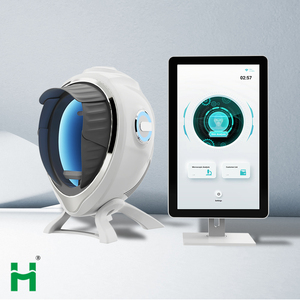
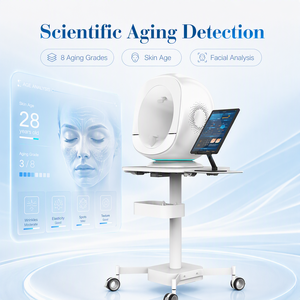
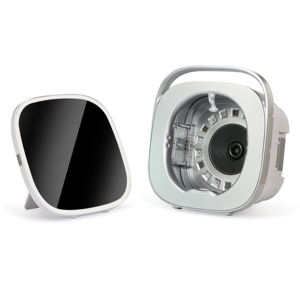
Bridging laboratory stability testing with in-vivo clinical efficacy. Utilizing 3D Magic Mirror and AI spectral skin analyzers to capture 8 intelligent imaging modalities (moisture retention, barrier recovery, sebum balance, fine-line mitigation) before and after product application.
Industrial test conditions executed within Chinese contract manufacturing laboratories to validate global compliance.
| Testing Type | Environmental Parameters | Minimum Duration | Evaluation Parameters | Regulatory Standard |
|---|---|---|---|---|
| Real-Time Ambient | 25°C ± 2°C / 60% RH ± 5% RH | 12 to 36 Months | Viscosity, pH balance, appearance, color, active concentration | ICH Q1A(R2), US FDA MoCRA |
| Accelerated Thermal | 40°C ± 2°C / 75% RH ± 5% RH | 12 to 24 Weeks | Phase separation, syneresis, lipid auto-oxidation, odor change | EU Regulation (EC) 1223/2009 |
| Stress Temperature High | 50°C ± 2°C Ambient Humidity | 4 to 8 Weeks | Polymer integrity, emulsifier breakdown, active degradation | Internal Industrial SOP |
| Low Temperature Cold | -5°C to 5°C Controlled | 4 to 12 Weeks | Crystallization, cloud point, thixotropic recovery | ISO 18896 Cosmetics Standard |
| Freeze-Thaw Cycling | -10°C (12h) to 45°C (12h) | 5 Complete Cycles | Emulsion stability, vesicle rupture in liposomes | ASTM D1796 / Industrial Standard |
| Photostability (UV/VIS) | 1.2 Million Lux Hours / 200 W·h/m² | ICH Q1B Standard | Photolytic fading, active ingredient photo-degradation | ICH Q1B Photostability Guideline |
Strategic analysis for procurement directors, brand founders, and cosmetic formulation chemists navigating the next era of global supply chain evolution.
As global consumer demand shifts decisively toward "clean beauty," brands are replacing traditional parabens and phenoxyethanol with natural multifunctional hurdle technology (e.g., Caprylyl Glycol, Glyceryl Caprylate, and Organic Acids). However, natural preservative systems exhibit narrower pH stability windows. Chinese wholesale factories are investing heavily in automated, real-time micro-sensor climate chambers to precisely monitor bio-burden and micro-stability across subtle temperature fluctuations.
B2B buyers are prioritizing OEM/ODM manufacturing partners that integrate ESG (Environmental, Social, and Governance) principles into their infrastructure. Modern stability testing chambers in China now utilize low-GWP (Global Warming Potential) eco-refrigerants, energy-efficient PID inverter compressors, and solar-integrated power arrays, allowing cosmetics brands to reduce Scope 3 carbon emissions while meeting strict EU carbon footprint declarations.
The convergence of machine learning algorithms with thermal degradation data is revolutionizing formulation R&D. By training neural networks on thousands of viscosity, phase-separation, and active-decay data points, advanced Chinese factories can now predict 3-year formulation stability within 14 days of high-stress accelerated testing, drastically shortening the time-to-market for high-performance skincare innovations.
Anhydrous skincare products (waterless balms, cleansing oils, powder-to-liquid serums) and nano-encapsulated active delivery systems (liposomes, niosomes) represent the fastest-growing categories in premium skincare. These complex delivery mechanisms require specialized stability testing, including micro-differential scanning calorimetry (Micro-DSC) to verify membrane thermal integrity and prevent premature active degradation.
Skincare brand agility requires rapid transition from benchtop R&D to pilot-batch industrial production. Modern wholesale procurement emphasizes modular environmental stability test chambers equipped with touch-screen microprocessors, multi-zone temperature controls, and automated reporting formats compatible with global LIMS (Laboratory Information Management Systems).
Global buyers demand end-to-end transparency. Leading Chinese OEM facilities are embedding IoT sensors into stability testing equipment, generating tamper-proof digital certificates of analysis (CoA) stored on cloud-based audit logs. This guarantees that every production batch delivered internationally strictly matches pre-production prototype stability benchmarks.
Integrating European formulation heritage with China’s high-capacity industrial scale, world-class certifications, and end-to-end turnkey manufacturing services.

Bridging decades of cosmetic formulation artistry with advanced industrial research. Our technical team works collaboratively with international beauty brands to craft bespoke, high-performance skincare and color cosmetic formulas compliant with global blacklists, vegan standards, and active ingredient stability metrics.
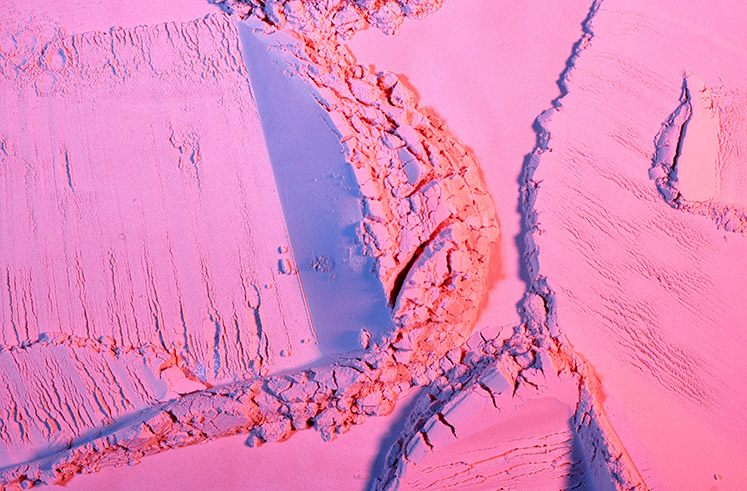
Our high-capacity industrial manufacturing facility utilizes 304/316L stainless steel PID-controlled homogenizers and mixing kettles. Every cosmetic bulk batch undergoes rigorous physical, chemical, and rheological testing prior to filling, guaranteeing seamless scale-up from lab prototypes to multi-ton commercial runs.
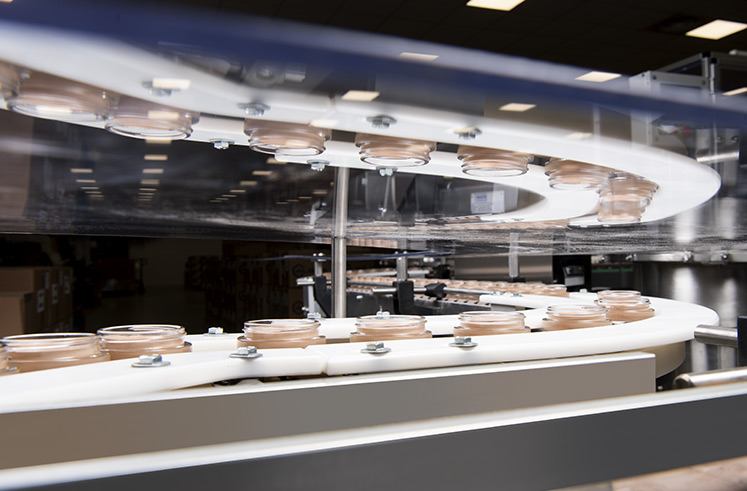
Equipped with high-speed automated filling lines capable of handling complex airless bottles, dropper vials, aluminum tubes, and jars under ISO 5 cleanroom conditions. Comprehensive vacuum leak testing and weight-check automation eliminate packaging defects before export dispatch.
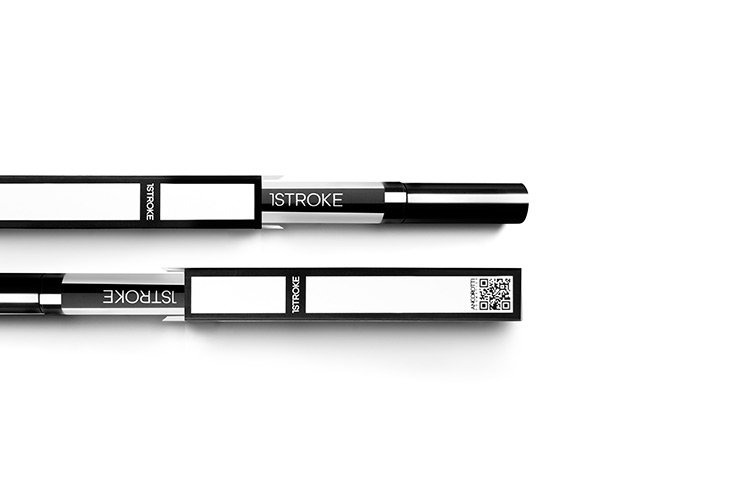
From initial raw material sourcing and custom formulation development to regulatory dossier compilation (PIF/CPNP), stability chamber testing, secondary packaging assembly, and global freight logistics. We deliver retail-ready cosmetic products designed for instant commercial success.

Comprehensive technical answers for procurement teams, QA directors, and brand managers evaluating Chinese manufacturing facilities.
Under standard ICH Q1A(R2) protocols, accelerated stability testing is performed at 40°C ± 2°C and 75% RH ± 5% RH for a duration of 12 weeks (3 months). Successfully passing 12 weeks under these accelerated parameters correlates to approximately 24 months of shelf life at ambient room temperature (25°C). For 36-month shelf-life validation, testing is extended to 24 weeks.
O/W emulsions (most creams and lotions) are prone to viscosity drop and phase creaming at elevated temperatures due to surfactant micelle swelling. W/O emulsions (heavy creams, barrier balms) are susceptible to water droplet coalescence and sedimentation during freeze-thaw cycles. Our test chambers utilize multi-axis centrifuges and rheometers to measure yield stress stability across both emulsion architectures.
All factory-direct stability chambers and testing units are supplied with complete IQ/OQ/PQ (Installation, Operational, and Performance Qualification) documentation protocols. Units feature CE certification, ISO 17025 traceable sensor calibration certificates, 304/316L stainless steel material declarations, and digital RS485/Ethernet data-logging software compliant with 21 CFR Part 11 audit trails.
Yes. OEM/ODM customization is available for both hardware chassis aesthetics (custom color anodization, silk-screened brand logos) and software UI interfaces. The AI skin analysis algorithms can be integrated with your custom skincare solution recommendation engine, allowing clinics, spas, and retail brands to present seamless branded diagnostic reports to end consumers.
Ultra-violet (UV-A and UV-B) and visible light radiation induce photolytic breakdown of key active ingredients including Retinoids, Niacinamide, L-Ascorbic Acid, and natural carotenoid colorants. Photostability testing in ICH Q1B chambers ensures that light exposure does not cause free-radical generation, active potency loss, or objectionable color shifts in clear PET/Glass packaging.
Standard laboratory stability chambers ( benchtop 100L to 250L capacity) have an MOQ of 1 unit. Custom walk-in environmental rooms or high-throughput industrial climate chambers are manufactured on a project-by-project engineering basis with lead times ranging from 15 to 30 business days including pre-shipment factory acceptance testing (FAT).
Partner with China's leading cosmetic equipment & contract manufacturing ecosystem. Speak directly with our laboratory engineering specialists to select the ideal stability chambers, skin analyzers, or OEM/ODM formulation protocols for your brand.