
Ancorotti Knowledge Base

Beauty Insights & Manufacturing News

Discover the latest industry trends, formulation R&D innovations, and Italian cosmetics manufacturing expertise from our team of specialists.

0%

How to Source Lash and Brow Cosmeceuticals Globally begins with a practical question: what does the product promise, and where can that promise be legally supported? The global beauty market is expanding steadily. McKinsey estimates that the beauty industry could reach approximately $580 billion by 2027, with skincare and related treatment categories supporting continued growth. Grand View Research also identifies rising demand for premium, functional beauty products, especially those combining visible results with at-home convenience.

The opportunity is attractive, but sourcing requires more than comparing factory prices. Lash and Brow Cosmeceuticals may include serums, conditioners, peptides, botanical extracts, and sensitive-area applicators. Each ingredient needs traceable documentation, stable formulation data, microbial testing, and clear usage instructions. Suppliers should provide certificates of analysis, manufacturing certifications, safety assessments, and batch records. ISO 22716 Good Manufacturing Practices can offer a useful quality reference for cosmetic production. Still, certification alone does not prove a product performs well.

Regulatory interpretation also changes by market. The U.S. FDA does not formally define “cosmeceutical,” so product claims can determine whether additional regulatory obligations apply. European Union cosmetics require responsible-person oversight, a Product Information File, safety evaluation, and compliant claims. These details are easy to underestimate. A supplier’s polished sample may hide weak evidence. Packaging may look excellent, yet the formula can separate after heat exposure.

This guide examines supplier verification, formulation review, testing, documentation, logistics, and ethical claim management. No global sourcing plan is perfect. However, disciplined questions and independent checks can reduce costly surprises while protecting consumer trust.
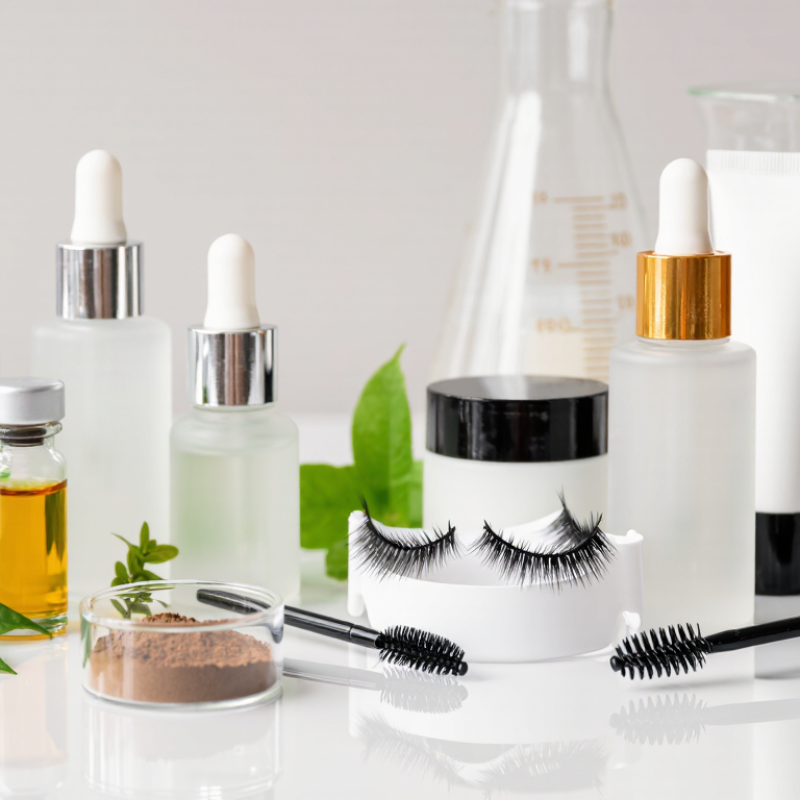
How to Source Lash and Brow Cosmeceuticals Globally

Define Lash and Brow Cosmeceutical Product Requirements

How to Source Lash and Brow Cosmeceuticals Globally

A practical specification starts with the intended use: conditioning lashes, improving brow appearance, or supporting a fuller visual effect. Avoid vague promises. Define measurable claims, such as improved softness or reduced breakage after a stated period. Products used near the eyes require careful ingredient screening, including fragrance, allergens, preservatives, and potential irritants. Request full INCI lists, safety data, microbiological limits, and certificates of analysis before supplier approval. “Natural” does not automatically mean gentle.

Tips: Ask for stability data at different temperatures, not only a fresh sample. Check the brush shape, wiper fit, drying time, and leakage after repeated opening. A small packaging defect can affect user safety. Confirm batch traceability, minimum order quantities, lead times, and change-notification procedures. Requirements should also reflect the destination market, because cosmetic definitions and claim rules vary globally.

Pilot batches can reveal problems hidden in laboratory samples. Test application around the eye area with appropriate safety oversight, while monitoring comfort, odor, clumping, and residue. Review preservative performance in the final package, not just in bulk formula. Suppliers should explain manufacturing controls, filling conditions, and complaint handling clearly. It is tempting to prioritize low price, but that choice may increase inspection costs later. Some requirements may need revision after real-world testing. That is normal.

Assess Global Suppliers and Verify Manufacturing Credentials

Sourcing lash and brow cosmeceuticals globally starts with evidence, not polished catalogues.

Products used near the eyes require disciplined supplier checks and clear safety records. I ask for the legal manufacturer, production address, and current quality certificates. A trading office may be useful, but it cannot replace factory accountability.

Request recent audit reports, manufacturing licenses, and documented procedures for hygiene, contamination control, and batch release. Keep every file dated.

Manufacturing credentials should be verified independently where possible.

Check certificate numbers with the issuing body, inspect the facility by video or in person, and compare its equipment with the claimed capacity. Review ingredient specifications, allergen controls, microbiological limits, stability data, and certificates of analysis for finished batches.

For eye-area formulas, ask how irritation testing was conducted and whether claims are supported by appropriate evidence.

Samples matter, but one attractive sample proves little. Send sealed units to an accredited laboratory for identity, safety, and consistency testing. This costs more, yet it can expose weak controls before a large purchase.

Global sourcing also depends on communication.

Confirm minimum order quantities, lead times, packaging compatibility, change-notification rules, and complaint handling. Use a written quality agreement.

I have sometimes trusted a confident sales call too quickly; that was a mistake.

Supplier assessment is never perfect, especially across languages and time zones. Recheck credentials before renewal and after any factory, formula, or ownership change.

Reliable sourcing is built through repeated verification, not one successful shipment.

Compare Formulas, Ingredients, Safety Data, and Compliance

Global lash and brow sourcing now demands more than attractive ingredient lists. McKinsey’s 2023 beauty-market analysis projects the sector will approach $580 billion by 2027, with roughly 6% annual growth. That expansion increases pressure to compare formulas carefully. Check peptide levels, preservatives, fragrance, allergens, and solvent systems. Products used near the eyes need documented irritation and sensitization testing. Small details matter.

Safety evidence should include stability results, microbial limits, heavy-metal screening, and packaging compatibility. Ask suppliers for raw-material specifications, certificates of analysis, batch traceability, and clinical-use records. The European Commission’s 2023 Safety Gate report identified cosmetics as 32% of notified dangerous products. That figure is a warning, not a verdict on every supplier. A polished dossier can still hide weak testing.

Compliance also changes by market. In the European Union, prepare a Product Information File and Cosmetic Product Safety Report. In the United States, review MoCRA registration, adverse-event procedures, and facility obligations. UK notification and ASEAN requirements add further checks. Avoid drug-like growth claims unless the product has the required regulatory pathway. “Dermatologically tested” is not enough. I would also compare finished-product data, not only ingredient literature. This step is slower, but it exposes gaps that spreadsheets often miss.

Manage Sampling, Testing, Pricing, and International Logistics

Sourcing lash and brow cosmeceuticals globally requires more than comparing supplier quotations. In my sourcing experience, samples reveal problems that catalogs hide. Request identical sample quantities and record arrival dates, packaging condition, odor, color, and texture. Keep one sealed sample for later comparison. Small details matter.

Testing should match the intended market. Ask for full ingredient lists, allergen information, batch records, certificates of analysis, and manufacturing quality evidence. Independent laboratories can review microbiological safety, stability, preservative performance, and packaging compatibility. Eye-area products deserve extra caution. Claims such as growth, strengthening, or treatment may trigger different regulatory requirements. Confirm the classification with qualified local specialists before printing labels. My early mistake was trusting a supplier’s standard test report without checking its method. The report looked professional, but it did not answer our actual stability questions.

Build pricing from landed cost, not factory price. Include sampling fees, minimum order quantities, testing, packaging, freight, insurance, duties, currency changes, and warehouse handling. Request quotations under clearly defined Incoterms. For international logistics, verify product documents, carton dimensions, shelf life, lot coding, and temperature limits. Use protective inner packaging for fragile applicators and inspect cartons before dispatch. A delayed customs document can cost more than a higher unit price. Keep communication written and dated. Leave room for uncertainty. Suppliers may estimate transit times optimistically, while customs and seasonal congestion remain outside their control.

How to Source Lash and Brow Cosmeceuticals Globally

Typical planning ranges for private-label lash and brow products: supplier sampling usually takes 7–14 days, laboratory testing 14–30 days, regulatory dossier review 30–90 days, air freight 5–10 days, and sea freight 25–45 days. Final pricing depends on formula complexity, testing scope, minimum order quantity, Incoterms, and destination-market requirements.

Establish Quality Control, Import Procedures, and Supplier Partnerships

Global sourcing of lash and brow cosmeceuticals requires more than comparing unit prices. McKinsey’s 2023 beauty report forecasts the global beauty market could reach about $590 billion by 2028. That growth attracts inexperienced suppliers. Verify manufacturing addresses, quality certificates, batch history, and product liability coverage before negotiating volume.

Quality control should begin with a written specification. Define active concentrations, preservative limits, pH, viscosity, packaging materials, and permitted claims. Request a Certificate of Analysis for every batch. Independent laboratories should check microbiology, heavy metals, allergens, stability, and eye-area compatibility. Perform accelerated stability testing at controlled temperatures. Small packaging details matter. A leaking brush can contaminate the formula. I have seen supplier samples pass visual inspection but fail after repeated opening. That is a useful warning.

Import procedures need country-specific review. Confirm the correct HS code, ingredient names, safety documentation, labeling language, responsible-party details, and customs records. Registration or notification requirements may differ between markets. A qualified customs broker can prevent costly delays, but the importer remains accountable. Build supplier partnerships through quality agreements, change-control notices, audit rights, and clear recall procedures. Review performance quarterly, not only when problems appear. Circana reported continued premium beauty growth in 2023, yet rapid demand can pressure factories into rushed production. Reliable sourcing sometimes means accepting a slower launch. That is not always convenient.

FAQS

What should be defined before sourcing a lash or brow product?

Define whether it conditions lashes, improves brow appearance, or supports a fuller visual effect. Use measurable claims, such as softer hairs or less visible breakage after a stated period. Avoid vague promises. Requirements may change after testing.

Which documents should suppliers provide before approval?

Request the full INCI list, safety data, microbiological limits, and certificates of analysis. Also request the legal manufacturer, production address, licenses, and current quality certificates. Keep every file dated. Do not rely on catalogues alone.

Why does ingredient screening matter for eye-area products?

Products near the eyes require careful checks for fragrance, allergens, preservatives, and irritants. “Natural” does not automatically mean gentle. Ask how irritation testing was performed. The evidence may still be incomplete.

How can packaging quality affect product safety?

Check the brush shape, wiper fit, drying time, and leakage after repeated opening. A loose wiper can leave excess product on the brush. Test the final package, not only the formula in bulk. Small defects matter.

What stability testing should be requested?

Request stability results at different temperatures, not only data from a fresh sample. Review changes in odor, texture, color, separation, and application performance. Test the product inside its final package. Laboratory results can miss practical problems.

How should a global supplier’s manufacturing credentials be verified?

Verify certificate numbers with the issuing organization where possible. Inspect the facility by video or in person. Compare equipment with the supplier’s claimed production capacity. A polished sales call proves little.

Why are pilot batches useful before a large order?

Pilot batches can reveal clumping, residue, odor, discomfort, or inconsistent application. Use appropriate safety oversight for eye-area testing. Send sealed units to an accredited laboratory when suitable. One sample is not enough.

Which commercial details should be included in a written quality agreement?

Confirm minimum order quantities, lead times, packaging compatibility, and batch traceability. Include change-notification rules and complaint-handling procedures. Clarify manufacturing controls and filling conditions. I once trusted verbal assurances too quickly. That was a mistake.

How often should supplier information be reviewed?

Recheck credentials before renewal and after factory, formula, or ownership changes. Review new certificates, audit findings, complaints, and production records. Repeat verification across languages and time zones. Sourcing is never perfectly certain.

Conclusion

Sourcing Lash and Brow Cosmeceuticals globally requires a structured process that begins with clearly defining product requirements, including intended use, target market, formulation preferences, packaging, performance expectations, and quality standards. Buyers should assess potential suppliers carefully by reviewing manufacturing capabilities, certifications, quality systems, production capacity, and relevant documentation. Comparing formulas, active and supporting ingredients, safety data, stability information, labeling needs, and regional compliance requirements helps ensure that each product is suitable for its intended market.

The sourcing process should also include professionally managed samples, testing, quotations, minimum order evaluations, and international logistics planning. Before placing regular orders, buyers should establish clear quality control procedures, inspection standards, import documentation, and procedures for handling deviations or product changes. Building transparent, consistent supplier partnerships through communication, performance reviews, and written agreements can improve reliability and support long-term product development. This approach helps businesses balance product quality, safety, cost, regulatory responsibility, and supply continuity across different markets.

Vivienne

Vivienne

Vivienne is a professional marketing specialist with extensive experience in product communication, market research, content strategy, and customer-focused storytelling. As a regular contributor to the company’s professional blog, she transforms complex product information into clear, practical,......