Discover the latest industry trends, formulation R&D innovations, and Italian cosmetics manufacturing expertise from our team of specialists.
Sustainable Cosmetics Manufacturing is no longer a branding preference. It is becoming an operational requirement across formulas, packaging, energy, water, and waste. The OECD’s Global Plastics Outlook reports that packaging creates about 40% of global plastic waste. Cosmetics manufacturers therefore face pressure at the filling line, not only in marketing departments.
The details matter. A lighter jar can reduce material use, but it may require more protective packaging. A waterless formula can reduce transport weight, yet its ingredients may demand higher processing temperatures. UNEP’s 2023 report, Turning off the Tap, estimates that global plastic pollution could fall by 80% by 2040 through reuse, recycling, and material reduction. These solutions require measurable systems, not attractive promises. ISO 14040 and ISO 14044 provide a foundation for life-cycle assessment, while ISO 22716 supports good manufacturing practices for cosmetic products.
Small changes accumulate.
This guide presents ten practical tips for Sustainable Cosmetics Manufacturing, from renewable energy procurement and closed-loop water systems to recycled packaging and supplier audits. It also considers carbon accounting through the GHG Protocol and responsible target-setting through the Science Based Targets initiative. Still, no factory is perfectly sustainable. Renewable electricity may be unavailable in some regions. Recycled resin can vary in quality. Data from suppliers may remain incomplete. That uncertainty deserves honest attention, not polished language. A credible manufacturer measures impacts, documents assumptions, and improves the process repeatedly. The goal is not perfection on paper. It is a cleaner batch, a smaller footprint, and evidence that can withstand scrutiny.
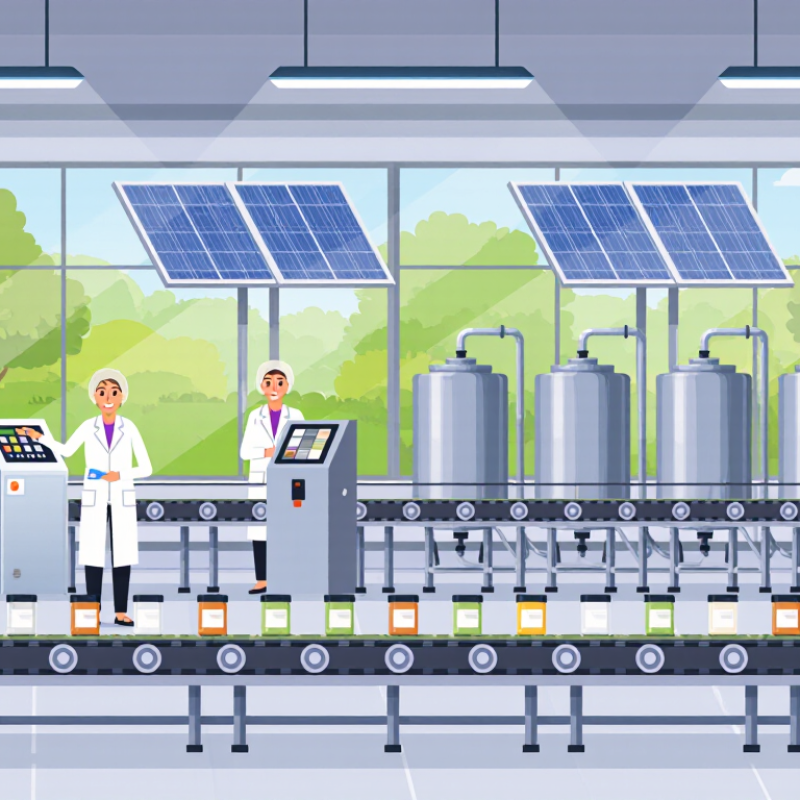
10 Tips for Sustainable Cosmetics Manufacturing
Sustainable Cosmetics Manufacturing: Scope, Principles, and Key Goals
Sustainable cosmetics manufacturing covers materials, energy, water, packaging, workers, and product end-of-life. Its scope reaches beyond the factory wall. A responsible plan follows the product lifecycle from ingredient sourcing to disposal. Tip 1: Map major environmental impacts before setting targets. Tip 2: Measure electricity, water, waste, and emissions by production batch. Tip 3: Use lifecycle assessment methods when comparing materials. Data prevents attractive claims from replacing real progress.
Practical principles include resource efficiency, worker protection, supplier accountability, and transparent communication. Tip 4: Prefer renewable electricity where reliable verification exists. Tip 5: Reduce process water through controlled cleaning systems. Tip 6: Design packaging with fewer materials and realistic recycling routes. Tip 7: Audit suppliers using documented social and environmental criteria. Tip 8: Train operators to prevent spills, defects, and avoidable rework. Small process changes matter. A cooler mixing cycle may reduce energy use, but product quality must remain stable.
Key goals should be measurable, time-bound, and reviewed by qualified teams. Tip 9: Set reduction targets for energy, water, waste, and emissions. Tip 10: Publish clear progress, including missed targets and revised assumptions. Our first baseline may be incomplete. That is normal, but ignoring the gap is not. Independent checks can strengthen credibility, while internal reviews reveal practical problems. Sustainability is not a perfect label; it is a disciplined manufacturing process that keeps improving.
Responsible cosmetics manufacturing begins with choices made before the first batch. Choose ingredients with clear origin, reliable traceability, and realistic environmental data. Ask suppliers for specifications, contaminant limits, allergen information, and updated safety documents. Check whether renewable claims reflect measured sourcing, not attractive wording. Prefer ingredients that need less water, energy, or complex processing. Small details matter, such as transportation distance and storage temperature.
Keep the formula simple when performance allows. Fewer ingredients can reduce sourcing risks and simplify quality control. Design products that protect the skin barrier, especially when used daily. Avoid unnecessary fragrance, harsh solvents, and sensitizing ingredients where suitable alternatives exist. Select preservatives through evidence, not fear, because microbial safety remains essential. Test stability, compatibility, and microbial protection under realistic conditions.
Use controlled laboratory testing and document every formulation decision. Evaluate pH, viscosity, odor, color, and packaging interaction over time. Review the formula with qualified safety and quality professionals before production. No formula is perfect. A plant-based ingredient may still require intensive farming or long-distance shipping. A waterless product may reduce transport weight but create a harder-to-recycle package. These trade-offs deserve honest review.
I have found that practical improvements often come from testing small batches, measuring failures, and questioning convenient assumptions. Reliable sustainability is built through evidence, transparent records, and safer choices that remain effective after months on a bathroom shelf.
Sustainable cosmetics manufacturing begins with measurable production choices.
The International Energy Agency reports that industry uses about 37% of global final energy. Heating, cooling, compressed air, and mixing equipment deserve close attention. Replace inefficient motors and schedule high-load processes during lower-demand periods. Recover heat from hot water systems when practical. Small changes can reduce operating costs.
Tip 1: Map energy use by production line, not by building alone.
A monthly meter reading hides short peaks. Install sub-meters for boilers, mixers, filling machines, and clean-in-place systems. Review the data with operators. Numbers need context.
Tip 1: Map energy use by production line, not by building alone.
Water efficiency requires equal discipline.
The United Nations Environment Programme’s Global Resources Outlook 2024 states that resource extraction and processing create over half of global greenhouse gas emissions. Cosmetics plants can respond by reducing rinse cycles, using dry cleaning before washdowns, and validating shorter cleaning procedures. Reuse final-rinse water only where safety and quality controls allow. Never guess.
Tip 2: Track litres per batch and wastewater load.
Tip 3: Separate production waste before disposal.
Empty containers, rejected batches, and contaminated materials need different handling routes. Better material planning can prevent overproduction, though forecasts are rarely perfect. That limitation matters.
Cut emissions beyond factory walls.
Choose lower-carbon electricity where credible evidence exists, and request verified environmental data from suppliers. Measure transport distances and packaging weight. The Greenhouse Gas Protocol supports separating direct, purchased-energy, and value-chain emissions. Report assumptions clearly. Transparent gaps are more useful than impressive claims.
Tip 4: Set quarterly targets for energy, water, waste, and emissions.
Let teams challenge the targets. Sustainable manufacturing is practical work, but it is never finished.
10 Tips for Sustainable Cosmetics Manufacturing?
Creating Low-Impact Packaging and More Efficient Supply Chains
Sustainable cosmetics manufacturing begins with packaging decisions made early. A packaging engineer can reduce material use by right-sizing bottles, caps, and cartons. Lightweight designs lower transport emissions and reduce warehouse damage. Mono-material packs are usually easier to sort and recycle. However, recycled resin may vary in color and texture. That limitation needs honest product testing.
Refill systems can cut packaging waste when the format is durable and easy to clean. They are not automatically sustainable. Hygiene controls, customer behavior, and reverse logistics must be measured. Clear labels should explain disposal without making unrealistic claims. Small details matter. A thin carton, shorter label, or concentrated formula can reduce shipping volume.
Supply chains also need practical changes. Manufacturers can use regional suppliers to shorten delivery routes. Accurate demand forecasting helps prevent excess production and expired inventory. Supplier scorecards should track energy use, water consumption, material origin, and labor standards. Digital batch records improve traceability, but data can remain incomplete. That is where careful audits help. Factories can schedule energy-intensive equipment during lower-carbon electricity periods. They can also reuse process water where safety assessments permit. Progress is rarely perfect. A failed packaging trial still reveals useful evidence for the next design.
| # | Sustainability Tip | Key Data Dimension | Practical Target or Benchmark | Measurement Unit | Recommended Measurement Method | Expected Impact |
|---|---|---|---|---|---|---|
| 1 | Reduce Packaging Material | Packaging intensity | Reduce packaging weight by at least 10% from the approved baseline without compromising product protection. | g of packaging per finished product | Weigh primary, secondary and tertiary packaging separately, then compare the total weight with the baseline design. | Lower material consumption, lower transport weight and reduced packaging-related emissions. |
| 2 | Design for Recyclability | Packaging design compatibility | Use mono-material structures where technically feasible and avoid inseparable components made from different material families. | % of packaging components compatible with local recycling systems | Review the complete bill of materials, component separability, labels, adhesives, closures and local recycling guidance. | Improves sorting and recycling potential while reducing contamination in recycling streams. |
| 3 | Increase Recycled Content | Post-consumer recycled material | Set a documented recycled-content target for each packaging format, subject to safety, quality and regulatory requirements. | % recycled content by packaging weight | Verify supplier declarations, chain-of-custody records and recycled-content certificates for each material batch. | Reduces demand for virgin resources and supports circular material markets. |
| 4 | Improve Product-to-Packaging Ratio | Material efficiency | Increase the ratio of product mass to packaging mass through right-sizing and elimination of unnecessary inserts or layers. | g of product ÷ g of packaging | Calculate the ratio for each product format and compare alternative pack designs using the same fill volume. | Reduces packaging demand without necessarily changing the product formula. |
| 5 | Use Lower-Carbon Transport Modes | Freight emissions | Prioritize sea, rail or consolidated road freight; reserve air freight for exceptional and documented cases. | kg CO₂e per tonne-kilometre | Calculate emissions using shipment weight, distance, transport mode, fuel type, load factor and current national or GHG Protocol emission factors. | Transport emissions can decrease substantially when urgent air shipments are replaced with planned ocean, rail or road routes. |
| 6 | Increase Shipment Fill Rates | Logistics utilization | Maintain an average vehicle or container utilization rate of at least 80% by volume or weight, subject to safety limits. | % of available capacity used | Track loaded weight and cubic volume against the certified capacity of each shipment or delivery route. | Reduces the number of trips, empty space and emissions per delivered unit. |
| 7 | Reduce Manufacturing Waste | Material waste and production yield | Keep avoidable process waste below 5% of total material input and investigate recurring losses. | % waste = discarded material ÷ total material input × 100 | Record raw material input, finished output, rework, rejected batches and disposal quantities for every production run. | Improves yield, lowers disposal costs and reduces the environmental burden of wasted ingredients and packaging. |
| 8 | Lower Water Consumption | Water intensity | Set a site-specific reduction target after establishing a 12-month baseline for processing and cleaning water. | L of water per kg of finished product | Use calibrated meters for process, cleaning and utility water; separate direct production use from non-production use. | Supports water stewardship and identifies high-consumption cleaning or processing steps. |
| 9 | Increase Renewable Electricity | Operational energy mix | Measure renewable electricity as a separate share of total electricity consumption and increase it through verified procurement or on-site generation. | % renewable electricity | Combine utility records, renewable energy certificates where applicable and on-site generation meters using location- or market-based accounting. | Reduces scope 2 emissions and improves visibility of energy-related performance. |
| 10 | Improve Supplier Traceability | Supplier environmental data coverage | Obtain verified environmental data for at least 90% of purchased materials by spend or mass. | % of procurement with verified data | Collect supplier-specific carbon, water, waste, origin and certification data; document data quality and estimation methods. | Enables more accurate product footprints and helps identify high-impact materials and suppliers. |
Sustainable manufacturing begins with a baseline, not a promise. Measure water use, energy consumption, material loss, and waste for every production line. Measure the baseline. Use recognized environmental standards and reliable carbon accounting methods. Keep batch records detailed enough to trace ingredients, packaging, and processing conditions. Evidence beats intention. Clear documentation helps teams verify progress and answer difficult questions.
Transparency should reach beyond polished sustainability statements. Publish relevant targets, calculation methods, audit boundaries, and areas still lacking data. Explain whether figures cover one facility or the entire supply chain. Supplier assessments should review energy sources, wastewater controls, labor conditions, and improvement plans. Independent audits can strengthen confidence, but they cannot replace daily operational knowledge. A factory worker may notice a leaking valve before a quarterly audit does.
Continuous improvement requires practical experiments and honest review. Reduce rinse cycles where product safety allows, repair compressed-air leaks, and test lighter packaging without weakening protection. Track results monthly, then adjust targets when evidence changes. Our first dashboard may be incomplete. That gap matters. Some improvements create new trade-offs, such as lower packaging weight but higher breakage. Record those failures, investigate their causes, and share corrective actions with relevant teams. Progress becomes credible when standards guide decisions, transparency reveals limitations, and repeated measurement changes behavior.
It covers ingredients, energy, water, packaging, workers, suppliers, and disposal. The factory is only one part.
Track electricity, water, waste, and emissions for each production batch. Clear data is more useful than attractive claims.
Choose ingredients with traceable origins, safety documents, and realistic environmental data. Check farming, transport, storage, and processing needs.
Not always. Simpler formulas can reduce sourcing risks, but performance and microbial safety still require careful testing.
Test pH, viscosity, odor, color, stability, packaging compatibility, and microbial protection. Review the results with qualified professionals.
No. Intensive farming or long-distance shipping may reduce its benefits. Evidence matters more than the label.
Use suitable amounts of material, compact designs, and recyclable formats where local systems support them. Test recycled materials carefully.
No. Measure cleaning, hygiene, customer participation, and return transport. A refill model can fail without practical controls.
Use regional suppliers, improve demand forecasts, and reduce expired inventory. Shorter routes may lower transport impacts.
Publish measurable targets, actual results, missed goals, and revised assumptions. Early data may be incomplete. Hiding that weakness helps nobody.
Sustainable Cosmetics Manufacturing is a practical approach to producing beauty and personal care products with less environmental impact and greater social responsibility. It begins with choosing responsibly sourced ingredients, avoiding unnecessary hazards, and creating safer, effective formulations. Manufacturers can also reduce their footprint by improving energy efficiency, lowering water consumption, minimizing waste, and controlling emissions throughout production. Careful planning helps facilities use resources more efficiently while maintaining product quality and safety.
Sustainability also depends on packaging and supply chain decisions. Lightweight, recyclable, reusable, or refillable packaging can reduce material use, while shorter and better-organized supply chains may lower transportation impacts. To make meaningful progress, companies should establish measurable goals, monitor resource use and emissions, follow recognized standards, and communicate information transparently. Regular reviews, employee involvement, supplier cooperation, and continuous improvement can turn sustainability from a one-time initiative into an ongoing manufacturing practice.