Discover the latest industry trends, formulation R&D innovations, and Italian cosmetics manufacturing expertise from our team of specialists.
China’s beauty market is moving quickly, but speed alone does not identify the best manufacturer. McKinsey’s 2023 beauty report estimates that the global beauty market could approach $580 billion by 2027. China remains a major growth engine within this expansion. Euromonitor also reports strong demand for skincare, color cosmetics, and premium local brands. These figures create opportunity, but they also expose weak supply chains.
The right Turnkey Cosmetic Solutions partner should connect formulation, packaging, testing, production, and delivery. Picture a realistic development meeting: a chemist checks emulsion stability, a packaging engineer tests the pump, and a regulatory specialist reviews the ingredient list. Each detail affects market entry. Cosmetic compliance in China also requires careful attention to NMPA registration, filing, safety assessments, and claim substantiation.
Sharon Kwek, Mintel’s Associate Director for Beauty and Personal Care in Asia Pacific, has observed, “Chinese consumers are becoming more sophisticated and selective.” That sentence matters for manufacturers. Buyers now inspect texture, scent, packaging, ingredients, and online reviews. A factory cannot hide behind attractive brochures.
The best supplier is not always the largest one. It should provide traceable raw materials, documented quality systems, responsive sampling, and realistic production timelines. ISO 22716 practices can support consistent cosmetic manufacturing, although certification alone proves little. A thoughtful evaluation should include factory audits, batch records, stability data, and communication tests.
This introduction has one uncomfortable limitation. Public market reports describe demand, not every factory’s daily performance. Therefore, China’s best Turnkey Cosmetic Solutions manufacturer must be verified through evidence, not promises.
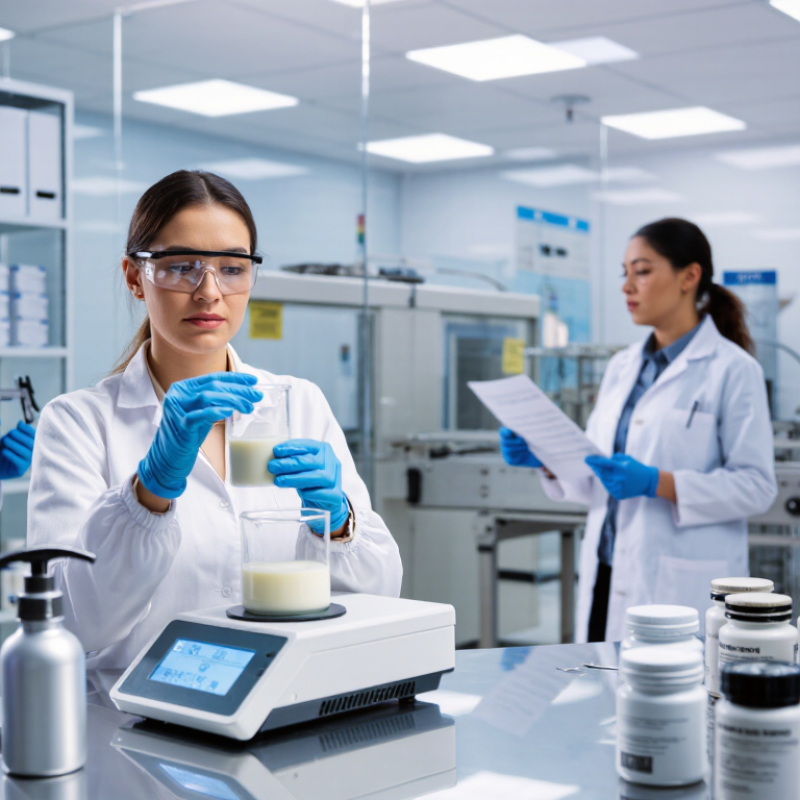
A turnkey cosmetic solutions manufacturer manages a product from concept to shipment. Its services may include formulation, ingredient sourcing, testing, packaging, filling, labeling, and quality control. You receive one coordinated production system instead of managing several suppliers. In practice, this can reduce communication delays and sampling errors. It also creates clearer responsibility when a batch needs correction.
Demand is expanding quickly. Grand View Research valued the global cosmetics market at about USD 446.2 billion in 2023. Its report forecasts an 8.5% compound annual growth rate from 2024 to 2030. McKinsey also estimated that the beauty market could reach roughly USD 590 billion by 2028. These figures increase pressure on manufacturers to deliver speed, consistency, and documented compliance. A capable facility should follow ISO 22716-based good manufacturing practices. It should also provide batch records, stability testing, material traceability, and transparent audits. A polished presentation is not enough. Some manufacturers still underestimate formula changes after packaging approval.
Tips: Request a complete production flow before signing. Check pilot-batch controls, testing methods, supplier qualifications, and defect procedures. Ask who owns the formula and technical documents. Confirm realistic minimum order quantities. Visit the facility when possible. Photos can mislead. A reliable manufacturer explains limitations clearly, because honest capacity details protect your launch timeline.
Chinese cosmetic manufacturers often provide more than factory production. Their turnkey services may cover formula development, ingredient sourcing, packaging design, filling, quality inspection, and shipment preparation. A technical team can adjust texture, fragrance, color, and viscosity through controlled sample rounds. Small details matter. A cream may feel too heavy in humid weather, while a cleanser may foam too quickly.
Reliable manufacturers usually support stability testing, microbiological checks, batch records, and safety documentation. They should explain testing methods clearly and identify which documents are available for your target market. Production may include filling, labeling, coding, carton packing, and final inspections. Strong suppliers also review packaging compatibility before mass production. A bottle can leak after temperature changes. That mistake is expensive.
Tips: Request a complete service list before choosing a supplier. Ask for sample records, testing timelines, production tolerances, and inspection procedures. Confirm who approves formula changes. Keep written specifications for color, scent, weight, and packaging materials.
Turnkey service does not remove the buyer’s responsibility. No manufacturer gets every detail right on the first attempt. I have found that direct questions reveal more than polished presentations. An independent inspection can still be useful, even when factory quality systems appear convincing. Choose partners that communicate problems early, protect confidential information, and follow the legal requirements of the intended sales market.
China Best Turnkey Cosmetic Solutions Manufacturer?
How Turnkey Cosmetic Production Works from Concept to Delivery
Turnkey cosmetic production connects one team to the entire product journey. It begins with a brief, not a finished formula. Product developers review the target skin feel, dosage form, packaging size, and expected cost. According to Grand View Research’s 2024 Cosmetics Market Size report, the global cosmetics market reached approximately USD 446 billion in 2023. That scale increases pressure for faster, more controlled development.
The process then moves through formulation, sampling, stability testing, packaging selection, and pilot production. A chemist may adjust viscosity after a sample separates at room temperature. A packaging engineer checks whether a pump delivers consistent doses. Quality teams verify raw materials, batch records, microbiological safety, and production conditions. ISO 22716 provides widely recognized guidance for cosmetic good manufacturing practices. Still, certification alone does not guarantee a perfect product.
After approval, the manufacturer schedules bulk production, filling, labeling, inspection, and shipment. Each batch should carry traceable records from incoming materials to finished cartons. The European Commission’s CosIng database shows how closely cosmetic ingredients connect with regulatory documentation in the European market. Regional requirements can differ, so compliance review must happen early. This is where turnkey projects sometimes become slower than expected. A beautiful prototype may fail a stability test, or a selected container may arrive late. Those setbacks are inconvenient, but they reveal weaknesses before delivery.
A capable Chinese cosmetic manufacturer should offer more than attractive pricing. Evaluate its production experience, product categories, and technical staff. Ask for facility photographs, process records, and recent quality documents. A serious partner can explain how raw materials are received, tested, stored, and released.
Look closely at compliance systems. Confirm GMP-based procedures, batch traceability, stability testing, microbiological controls, and documented quality inspections. The manufacturer should understand ingredient restrictions and labeling requirements in your target markets. Request samples from actual production equipment, not only laboratory prototypes. Small details matter, such as filling accuracy, cap torque, seal quality, and carton protection.
Communication also affects reliability. Discuss minimum order quantities, development fees, lead times, payment terms, and corrective actions before signing anything. A clear pilot order can reveal more than a polished factory tour. Low prices may hide weak testing or unstable supply planning. That risk deserves attention. However, even a well-organized supplier may make mistakes, especially during formula transfers or packaging changes. Require written approvals and retain samples for comparison. Regular video inspections, independent testing, and documented change control can reduce surprises without creating unnecessary delays.
China Best Turnkey Cosmetic Solutions Manufacturer?
Quality, Compliance, and Supply Chain Considerations
Choosing a turnkey cosmetic manufacturer requires more than reviewing a polished factory tour. Experienced teams inspect raw material records, filling accuracy, and batch consistency. A cream should match its approved texture, color, odor, and viscosity. Small variations can reveal larger process problems.
Compliance must begin before formulation. The manufacturer should provide ingredient documentation, safety data, stability results, microbiological testing, and packaging compatibility records. GMP-based procedures, controlled production rooms, and complete batch traceability support reliable market access. Regional rules differ, so product files and labels need review for each destination. INCI names, claims, warnings, and responsible-person requirements deserve careful checking. Never accept “globally compliant” without evidence.
Supply chain control is equally practical. Ask how suppliers are qualified and how changes are approved. Dual sourcing may reduce disruption, but it can also create different shades or textures. Lead times should include testing, production, inspection, and customs clearance. Retain samples, sealed cartons, and shipment photographs help resolve disputes. We have seen projects delayed by one missing component, often a pump or printed box. That detail is easy to underestimate. It should not be.
No factory is perfect. A capable partner admits weak points, records corrective actions, and explains realistic capacity. Regular audits, pilot batches, and written specifications create stronger control than promises alone. Price matters, but undocumented shortcuts can become expensive later.
This chart compares the number of major compliance and supply-chain checkpoints typically required before selling cosmetic products in four major markets. The figures are checklist counts based on publicly defined regulatory obligations, not a ranking of market difficulty. Actual requirements vary by product category, claims, ingredients, and business model.
They may develop formulas, source ingredients, design packaging, fill products, inspect batches, and prepare shipments.
Yes. Technical teams can adjust texture, fragrance, color, and viscosity through controlled sample rounds.
A cream may feel heavy in humid weather. A cleanser may foam too quickly. Small changes matter.
Request stability testing, microbiological checks, batch records, safety documents, and packaging compatibility results.
Compare approved samples with production batches. Check texture, color, odor, viscosity, fill weight, and packaging condition.
Product files may include ingredient details, safety data, stability results, warnings, labels, and responsible-person information.
Test bottles, pumps, cartons, and labels before production. Temperature changes can cause leaks or separation.
Confirm supplier changes, testing time, production schedules, inspections, and customs clearance. One missing pump can delay shipment.
No. Request records, pilot batches, written specifications, and corrective actions. A polished tour proves very little.
Often, yes. Even strong quality systems can miss problems. I would still verify important batches independently.
A turnkey cosmetic solutions manufacturer provides an integrated path from product concept to finished delivery, helping clients manage formulation, packaging, production, quality control, and logistics through one coordinated partner. Chinese cosmetic manufacturers commonly offer services such as product development, ingredient sourcing, formula testing, packaging design support, filling, labeling, and bulk production. This streamlined model can reduce communication gaps, simplify project management, and improve efficiency throughout the product development cycle.
The production process typically begins with a product brief and sample development, followed by formula optimization, packaging confirmation, testing, mass production, inspection, and shipment. When choosing a Chinese manufacturing partner, companies should evaluate technical expertise, production capacity, communication, transparency, quality systems, and supply chain reliability. Strong attention to regulatory compliance, ingredient documentation, traceability, stability testing, and consistent quality control is essential for responsible market entry. A capable partner should provide clear processes and dependable support from the initial idea through final delivery.