
Ancorotti Knowledge Base

Beauty Insights & Manufacturing News

Discover the latest industry trends, formulation R&D innovations, and Italian cosmetics manufacturing expertise from our team of specialists.

0%

Choosing a China Top Cosmetic Filling and Assembly Machine Manufacturer requires more than comparing prices. The right partner understands product texture, container geometry, production speed, and clean manufacturing requirements. Cosmetic Filling and Assembly systems must handle creams, serums, lotions, oils, and powders with controlled accuracy. A reliable manufacturer combines engineering experience with practical knowledge from factory floors.

Engineers should examine filling tolerance, nozzle design, piston movement, sealing pressure, and changeover time. Small details matter. A poorly matched pump can create leakage, air pockets, or inconsistent dosage during daily production. Those issues waste material and weaken consumer confidence.

Experienced Chinese machine builders often provide monoblock or modular lines for tubes, bottles, jars, and compact cases. Their capabilities may include filling, capping, crimping, labeling, and visual inspection within one coordinated process. However, impressive specifications do not guarantee dependable performance. Buyers should request sample testing, factory videos, equipment layouts, validation records, and references from comparable projects. Clear documentation supports installation, operator training, maintenance, and future upgrades. It also reveals how a supplier responds when reality differs from the original plan.

That test matters. A trustworthy manufacturer discusses limitations openly instead of promising perfect results. Material compatibility, local safety expectations, electrical standards, and after-sales response should be confirmed before purchase. The best partnership is measured beyond delivery. It grows through repeatable quality, responsive communication, and measurable production results. Some recommendations may need adjustment after real trials. That is not failure; it is responsible engineering.
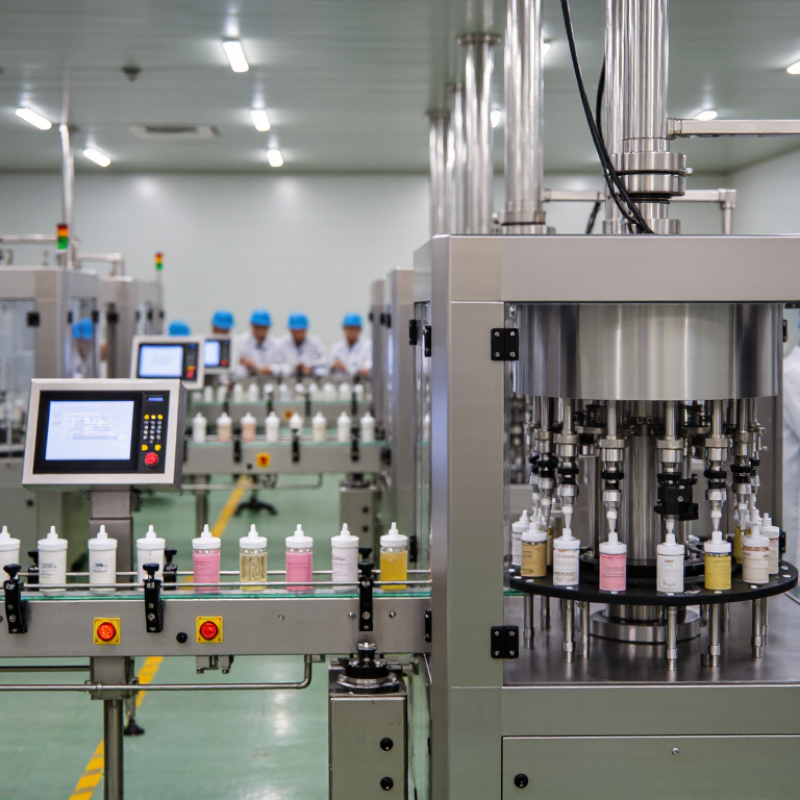
China Top Cosmetic Filling and Assembly Machine Manufacturer

Cosmetic Filling and Assembly Machines: Definition, Scope, and Core Functions

China Top Cosmetic Filling and Assembly Machine Manufacturer

Cosmetic Filling and Assembly Machines: Definition, Scope, and Core Functions

Cosmetic filling and assembly machines are automated systems for dosing, filling, closing, and preparing cosmetic containers. They handle products such as creams, lotions, serums, gels, and liquid formulas. A typical line may include a hopper, piston or peristaltic pump, conveyor, cap feeder, and sealing station. Each component supports stable output and cleaner production.

The scope extends from small laboratory batches to high-volume factory lines. Machine selection depends on viscosity, container shape, filling accuracy, and production speed. For example, a thick cream may need a heated hopper and servo-driven piston pump. A thin serum may require gentler flow control. Assembly functions can include bottle orientation, cap placement, pressing, crimping, labeling, and vision inspection. Sensors detect missing caps or tilted containers before packing.

Good engineering requires more than impressive speed. Operators should check contact materials, cleaning access, changeover time, and data records. These details affect hygiene and daily reliability. In practice, a machine can meet its rated accuracy yet perform poorly with unstable product temperature. That is an easy point to overlook. Testing with real formulas and containers is essential before final acceptance. Clear manuals, operator training, and responsive technical support also reduce avoidable downtime. Even a well-designed line needs regular calibration, because pumps, valves, and sensors gradually drift.

Machine Types and Filling Accuracy Standards: ±1% Precision in Cosmetic Production

Choosing the right cosmetic filling and assembly machine starts with product behavior, not appearance. Piston fillers suit creams and gels, while peristaltic pumps protect sensitive formulas from unnecessary contact. Servo-driven systems offer controlled dosing for lotions, serums, and liquid foundations. Assembly units can then place pumps, caps, brushes, or applicators with steady positioning.

A ±1% filling accuracy standard is practical when testing is carefully controlled. Operators should verify dose weight at regular intervals, using calibrated scales and representative samples. Formula viscosity, temperature, air pressure, nozzle size, and machine speed can all affect results. In daily production, even a well-tuned line can drift. I have seen small temperature changes alter cream flow noticeably. That detail is easy to underestimate. Accuracy should be recorded through batch data, not assumed from the machine display.

Tips: Test at the real production speed. Check the first, middle, and final containers of a run. Clean nozzles before adjustment, because residue can create uneven doses. Allow the formula to reach a stable temperature before calibration. A ±1% target may still need review when containers are very small or the product contains particles. Operators should document adjustments and investigate repeated variation instead of correcting it blindly. Reliability comes from repeatable procedures, trained staff, and honest measurement.

Key Components, Automation Levels, and Throughput up to 120 Containers per Minute

China Top Cosmetic Filling and Assembly Machine Manufacturer

Cosmetic filling and assembly machines combine dosing, container handling, capping, and inspection in one production line. Their key components include servo-driven pumps, precision nozzles, sensors, conveyors, and adjustable tooling. Each part affects fill accuracy and product appearance. The pump must match the formula’s viscosity. A thin lotion may need different control from a dense cream. The capper matters. Poor torque can cause leakage or damaged closures. Experienced engineers usually test containers, pumps, and caps together before confirming the final design.

Automation levels range from semi-automatic stations to fully integrated systems with robotic loading and online inspection. Semi-automatic equipment suits small batches and frequent packaging changes. Fully automatic lines reduce manual handling and maintain steadier output. They can reach up to 120 containers per minute under suitable conditions. Actual throughput depends on container shape, fill volume, formula behavior, and closure design. Small errors multiply. A line may achieve peak speed during testing but slow during real production. This is where careful validation becomes important. Operators should monitor fill weight, cap torque, rejects, and stoppages throughout each shift. I have found that simple access points often matter as much as advanced controls. If cleaning takes too long, productivity quietly falls. A flexible machine can be more valuable than a faster one.

GMP and ISO 22716 Requirements for Cosmetic Filling and Assembly Lines

China Top Cosmetic Filling and Assembly Machine Manufacturer

GMP and ISO 22716 Requirements for Cosmetic Filling and Assembly Lines

A compliant cosmetic filling line begins with controlled hygiene, clear procedures, and trained operators. GMP principles require suitable premises, clean equipment, and documented production controls. ISO 22716 adds practical guidance for personnel, materials, manufacturing, storage, and quality management.

On a working line, operators should verify batch numbers, container condition, and material identity before filling begins. Line clearance prevents leftover labels, caps, or bulk product from entering a new batch. Fill weight checks should occur at defined intervals, while sensors and scales need calibration records. Small details matter.

Assembly brings different risks. A pump may appear fitted but leak after transport. Torque settings, seal placement, and closure inspection therefore need written limits. Vision checks can detect missing components, skewed caps, or incorrect decoration. Rejects should move into a controlled area, with reasons recorded and reviewed.

Reliable documentation connects every action to a trained person, approved material, and specific batch. Cleaning records should describe the equipment, method, detergent, date, and verification result. Records protect quality.

A machine may run smoothly and still fail an audit if its procedures are unclear. This is an uncomfortable reality. Effective systems need routine review, not paperwork created only for inspection. Risk assessments should consider product viscosity, container shape, manual interventions, and changeover time. Requirements also vary across markets, so technical decisions should be checked against current local expectations.

ISO 22716 Requirement Domains for Cosmetic Filling and Assembly Lines

This chart maps the 16 operational domains covered by ISO 22716:2007, from personnel and premises to documentation. The values represent the sequential ISO section order, not audit scores or company performance data.

How to Evaluate China’s Top Manufacturers by Quality, Capacity, and Service

Choosing China’s top cosmetic filling and assembly machine manufacturer requires more than comparing prices. Quality starts with material selection, hygienic design, and repeatable performance. Check whether product-contact parts use suitable stainless steel, such as 304 or 316, and inspect welds, seals, pumps, and filling nozzles. Request trial videos and test samples using your actual cream, lotion, or serum. A machine may perform well with water but struggle with thick formulas.

Capacity must reflect real production conditions, not only catalogue figures. Ask for tested speed, filling accuracy, changeover time, and rejection rates. Review factory records, quality procedures, and inspection reports. A responsible manufacturer should explain how it controls critical parts and handles deviations. Factory visits can reveal useful details, including spare-parts storage and assembly discipline. They can also disappoint. That is useful evidence.

Tips: Compare three suppliers with the same technical checklist. Ask for a factory acceptance test before shipment. Confirm installation support, operator training, warranty limits, and response times in writing. Service quality often appears after delivery, when a sensor fails during a busy shift. Check remote support, spare-part availability, and technician experience. Do not accept vague promises. One overlooked detail, such as unstable air pressure, can reduce output and create unnecessary maintenance. A careful evaluation balances documented evidence, practical trials, production capacity, and long-term communication.

FAQS

Which filling machine suits creams, gels, lotions, and serums?

Piston fillers generally suit creams and gels. Servo-controlled systems support lotions, serums, and liquid foundations. Peristaltic pumps reduce formula contact.

Is ±1% filling accuracy realistic in cosmetic production?

It can be realistic during controlled testing. Verify dose weight with calibrated scales and representative samples. Daily production can still drift.

What factors can change filling accuracy?

Viscosity, temperature, air pressure, nozzle size, and machine speed affect dosing. Small temperature changes can noticeably alter cream flow.

How should operators verify filling performance?

Test at the actual production speed. Check the first, middle, and final containers. Record batch data instead of trusting the display.

Why should nozzles be cleaned before calibration?

Residue can obstruct flow and create uneven doses. Clean the nozzle before adjustment. Do not guess.

What hygiene controls should a cosmetic filling line include?

The line needs clean equipment, controlled premises, trained operators, and written procedures. Operators should verify materials, batch numbers, and container condition.

What records support reliable production and quality reviews?

Keep calibration, cleaning, filling, adjustment, and inspection records. Cleaning records should include the method, detergent, date, and verification result.

How can assembly quality be checked after filling?

Inspect pump placement, seal position, closure torque, and container leaks. Vision checks can identify missing parts or crooked caps. A fitted pump may still leak later.

How should a manufacturer’s machine be evaluated before purchase?

Test the machine with your actual cream, lotion, or serum. Compare tested speed, accuracy, changeover time, and rejection rates. Water tests may mislead.

What service details should be confirmed before delivery?

Confirm installation, training, warranty limits, remote support, spare parts, and response times in writing. Vague promises create problems during busy shifts.

Conclusion

Cosmetic Filling and Assembly machines are essential for accurately filling, capping, sealing, labeling, and assembling a wide range of cosmetic products, including creams, lotions, serums, and liquid formulations. This overview explains the main machine types, their application scope, and core functions, with a focus on achieving filling precision of approximately ±1% for consistent product quality. It also introduces key components such as pumps, filling nozzles, conveyors, control systems, and inspection units, as well as different automation levels designed to support production speeds of up to 120 containers per minute.

For cosmetic manufacturers, compliance with GMP principles and ISO 22716 requirements is vital for maintaining hygiene, traceability, process control, and reliable product handling. The article also outlines how to evaluate China’s top manufacturers by examining machine quality, production capacity, customization capabilities, filling accuracy, testing procedures, technical support, spare-parts availability, and after-sales service. These factors help buyers select efficient, stable, and scalable equipment for modern cosmetic production lines.

Vivienne

Vivienne

Vivienne is a professional marketing specialist with extensive experience in product communication, market research, content strategy, and customer-focused storytelling. As a regular contributor to the company’s professional blog, she transforms complex product information into clear, practical,......