Discover the latest industry trends, formulation R&D innovations, and Italian cosmetics manufacturing expertise from our team of specialists.
The 2026 market for Private Label Color Cosmetics is more demanding than a product catalog suggests. Buyers now expect dependable formulas, clear documentation, and practical support from their manufacturing partners. A supplier must do more than offer attractive shades and polished packaging.
This guide examines leading suppliers through an informed, evidence-based lens. It considers formulation experience, production capacity, minimum order quantities, shade development, and packaging flexibility. It also reviews quality systems, ingredient transparency, stability testing, and manufacturing standards such as GMP or ISO certification. These details matter. A creamy foundation may look impressive in a sample jar, yet perform differently after transport, storage, or repeated use.
Reliable suppliers usually provide batch records, safety documentation, and responsive communication. They should explain testing procedures without hiding behind vague promises. Product developers can also assess color consistency under different lighting, applicator performance, closure strength, and label accuracy. Small details often reveal operational discipline.
No supplier is perfect. Samples can mislead. Timelines can change. Even experienced buyers may overlook regional labeling requirements or realistic launch costs. That uncertainty deserves attention, not polished language. This overview therefore encourages direct verification, independent testing, and written agreements before committing to production.
The selected companies are presented for their apparent capabilities, market relevance, and suitability for different business sizes. Readers should confirm current certifications, service terms, and regulatory responsibilities before making a final decision. That extra step may feel slow, but it protects the brand, the customer, and the product’s long-term reputation.
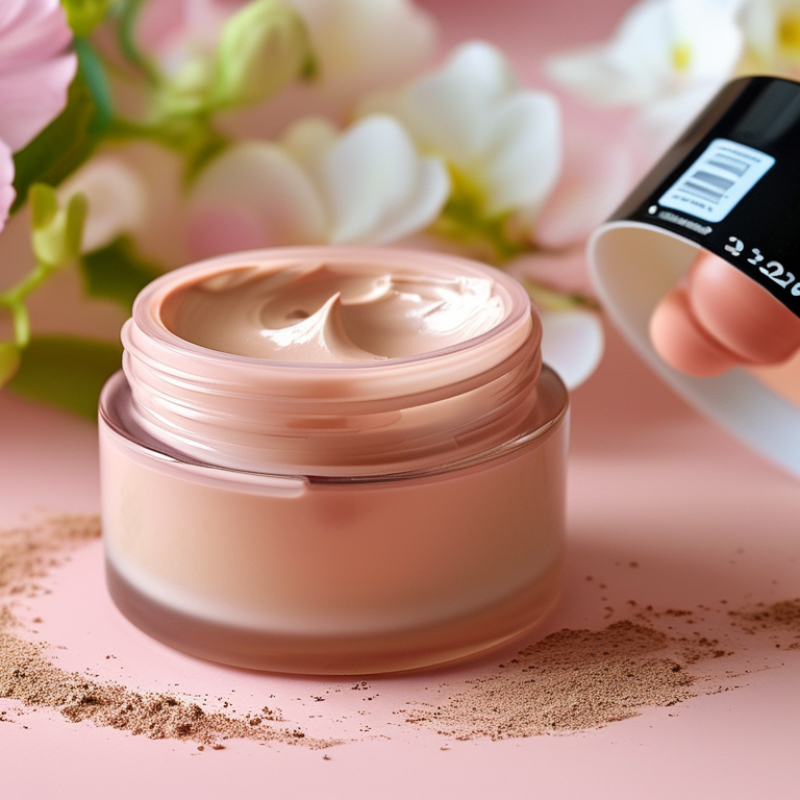
Private label color cosmetics are makeup products developed by manufacturers for retailers or beauty businesses. Suppliers usually provide shade development, packaging, testing, and production support. In 2026, buyers will expect more than attractive samples. They will examine pigment consistency, texture stability, ingredient transparency, and batch documentation.
Grand View Research valued the global color cosmetics market at approximately USD 70.8 billion in 2023. Its report forecasts a 5.1% compound annual growth rate from 2024 to 2030. This growth supports continued private label investment, especially in complexion, lip, and multi-use products. Euromonitor International also identifies premiumization, digital discovery, and demand for convenient formats as important beauty market drivers. Small details matter. A foundation shade can shift under store lighting. A lip product may feel different after repeated opening.
Supplier evaluation should therefore combine commercial data with practical verification. Request stability records, microbial testing, shade references, and clear minimum order quantities. ISO 22716-based manufacturing controls can strengthen quality assessment. Packaging compatibility also deserves attention, particularly with oils, volatile ingredients, and high-pigment formulas. Market forecasts remain useful, but they are not promises. Reported growth may hide regional differences, uneven consumer spending, and weak performance in crowded categories. This is where supplier comparisons become imperfect, yet necessary. A lower unit cost may create higher costs through rework, returns, or delayed launches. Firms using NielsenIQ, Circana, and Euromonitor data should still validate assumptions with current samples and local consumer testing.
Request recent factory audit records, ISO 22716 evidence, product specifications, and traceable batch documents. Ingredient lists, certificates of analysis, safety files, and microbial reports are also important. Vague compliance promises are not enough.
Test laboratory samples under realistic conditions. Check shade consistency, pigment dispersion, odor changes, microbial results, and packaging compatibility. Compare foundation shades under daylight, studio lighting, and warm indoor light. Photos can mislead.
Stability tests show how formulas behave during heat and cold exposure. Ask for elevated-temperature data, not only attractive laboratory samples. Observe texture, leakage, color migration, and odor after storage. Small changes matter.
Customization can change viscosity, drying time, coverage, fragrance, and filling performance. Ask the supplier to record every formula adjustment. Compatibility testing should include the container, cap, and applicator. Instant perfection sounds doubtful.
Yes, a pilot batch can expose problems before full production. Check shade panels, packaging samples, batch records, and microbial reports. Keep signed reference samples for future comparisons. This step may feel slow.
Review minimum order quantities, lead times, sample revisions, and artwork controls. Ask how rejected units are separated, recorded, and handled. Confirm whether the supplier can replenish products consistently. Speed is not everything.
Use one checklist for every supplier. Score documentation, formula performance, quality controls, communication, lead times, and customization limits. Request references from similar product categories without exposing confidential information. My checklist may still miss something.
Repeat the evaluation after the first commercial batch. Compare production results with approved samples and written specifications. Review defects, shade variation, delivery timing, and communication problems. The first order teaches you.
This guide explores the evolving Private Label Color Cosmetics market in 2026, including growing consumer expectations for quality, personalization, sustainability, and inclusive shades. It explains how businesses can evaluate suppliers by reviewing product quality, manufacturing capabilities, minimum order quantities, lead times, communication, packaging options, and previous production experience. The article also compares supplier types suited to different business needs, from startups seeking flexible small-batch production to established companies requiring scalable and consistent supply.
Readers will learn how product development, formula selection, shade customization, packaging design, testing, and quality control contribute to a successful cosmetics line. The guide also highlights the importance of regulatory compliance, accurate labeling, ingredient documentation, safety assessments, transparent pricing, and reliable logistics. By balancing cost, quality, customization, and supplier reliability, businesses can make informed decisions and build a competitive Private Label Color Cosmetics portfolio that meets market demands while supporting long-term growth.